Table of Contents
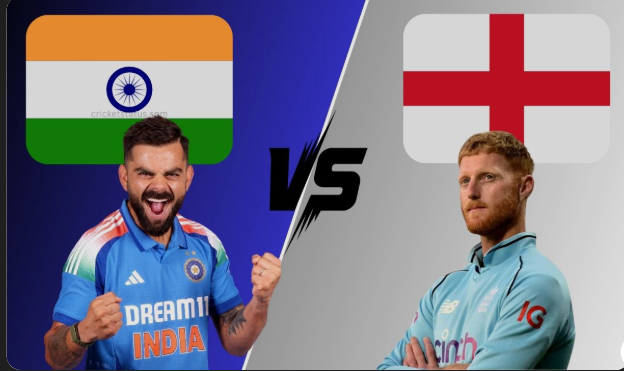
The England cricket team vs India national cricket team rivalry is cricket’s longest conversation. It has travelled from colonial beginnings to modern dominance, across Tests, ODIs, and T20s. Every era added pressure, pride, aggression, and unforgettable scorecards that shaped how the game itself evolved.
England vs India Cricket Rivalry: Last Matches Scorecard & Highlights
| # | Tournament | Venue | Date | Toss | England Score | India Score | Result | Series | Player of the Match |
|---|---|---|---|---|---|---|---|---|---|
| 15 | Anderson-Tendulkar Trophy | The Oval, London | Jul 31-Aug 4, 2025 | England (bat) | 247 & 367 | 224 & 396 | India won by 6 runs | Bilateral Test | Shubman Gill |
| 14 | Anderson-Tendulkar Trophy | Old Trafford, Manchester | Jul 23-27, 2025 | India (field) | 669 (1st inns major) | 358 & 425/4 | Match Drawn | Bilateral Test | Joe Root |
| 13 | Anderson-Tendulkar Trophy | Lord’s, London | Jul 10-14, 2025 | England (bat) | 387 & 192 | 387 & 170 | England won by 22 runs | Bilateral Test | Ben Stokes |
| 12 | Anderson-Tendulkar Trophy | Edgbaston, Birmingham | Jul 2-6, 2025 | India (bat) | 407 & 271 | 587 & 427/6d | India won by 336 runs | Bilateral Test | Ravindra Jadeja |
| 11 | Anderson-Tendulkar Trophy | Headingley, Leeds | Jun 20-24, 2025 | England (field) | 465 & 373/5 | 471 & 364 | England won by 5 wickets | Bilateral Test | Jos Buttler |
| 10 | Bilateral ODI | India (venue) | Feb 12, 2025 | India (bat) | 214 (34.2 ov) | 356 (50 ov) | India won by 142 runs | England in India ODI | Virat Kohli |
| 9 | Bilateral ODI | India (venue) | Feb 9, 2025 | England (bat) | 304 (49.5 ov) | 308/6 (44.3 ov) | India won by 4 wickets | England in India ODI | Shreyas Iyer |
| 8 | Bilateral ODI | Nagpur | Feb 6, 2025 | India (field) | 248 (47.4 ov) | 251/6 (38.4 ov) | India won by 4 wickets | England in India ODI | Rohit Sharma |
| 7 | Bilateral T20I | Pune | Feb 2, 2025 | England (bat) | 135 | 150 | India won by 15 runs | England in India T20I | Arshdeep Singh |
| 6 | Bilateral T20I | Chennai | Jan 31, 2025 | India (bat) | 166 (19.4 ov) | 181/9 (20 ov) | India won by 15 runs | England in India T20I | Hardik Pandya |
| 5 | Bilateral T20I | Chennai | Jan 25, 2025 | England (bat) | 171/9 (20 ov) | 145/9 (20 ov) | England won by 26 runs | England in India T20I | Jofra Archer |
| 4 | Bilateral T20I | Eden Gardens, Kolkata | Jan 22, 2025 | India (field) | 132 (20 ov) | 133/3 (12.5 ov) | India won by 7 wickets | England in India T20I | Suryakumar Yadav |
| 3 | Bilateral Test (5th) | Dharamsala | Mar 7-11, 2024 | India (bat) | 218 & 195 | 477 | India won by innings & 64 runs | England in India Test | Rohit Sharma |
| 2 | Bilateral Test (4th) | Ranchi | Feb 2024 | England | ~192 | Target chased | India won by 5 wickets | England in India Test | Ravindra Jadeja |
| 1 | Bilateral Test (3rd) | Rajkot | Feb 2024 | India | 445 & 430 | 445 & 430 (chase) | India won by 434 runs | England in India Test | Yashasvi Jaiswal |
England Cricket Team vs India National Cricket Team ODI Rivalry – When 50 Overs Became a Battlefield
The ODI rivalry between England and India is where control meets courage. Fifty overs sound generous, but in these clashes, time always feels short. One loose over can undo forty good ones. One brave chase can rewrite years of history. This format stripped away excuses and exposed temperament. England brought structure, planning, and precision. India brought instinct, adaptability, and an emotional edge that refused to fade.
What makes these ODIs unforgettable is how pressure builds early and never releases. Powerplays decide tone. Middle overs become mental warfare. Death overs feel like survival tests. A single boundary can silence a crowd. A single wicket can wake it up. Players don’t just compete against skill, they fight expectation, especially under lights and knockout stages.
Fans turn ODI encounters into events. Every run is counted. Every misfield is magnified. Chasing feels heavier when millions are watching. Defending feels lonelier when one partnership starts growing. Over the years, this rivalry has produced fearless chases, shocking collapses, and moments where calm under pressure separated winners from nearly-men.
England vs India in ODIs is not about who plays better cricket. It’s about who holds nerve when the game starts slipping.
| # | Date | Venue | Toss Winner | England Score | India Score | Result | Margin | Player of the Match | Highlight / Drama |
|---|---|---|---|---|---|---|---|---|---|
| 10 | Feb 12, 2025 | Narendra Modi Stadium, Ahmedabad | India (bat) | 214 (34.2 ov) | 356 (50 ov) | India won by 142 runs | Massive thrashing | Virat Kohli / Gill? | India’s explosive batting crushed ENG – series sweep complete! |
| 9 | Feb 9, 2025 | Barabati Stadium, Cuttack | England (bat) | 304 (49.5 ov) | 308/6 (44.3 ov) | India won by 4 wickets | Comfortable chase | Shreyas Iyer | India chased with ease – clinical middle order! |
| 8 | Feb 6, 2025 | Vidarbha CA Stadium, Nagpur | England (bat) | 248 (47.4 ov) | 251/6 (38.4 ov) | India won by 4 wickets | Early dominance | Shubman Gill | Smooth chase – Gill’s masterclass set the tone for series win! |
| 7 | Oct 29, 2023 | Lucknow (WC 2023) | India (bat) | 229/9 (50 ov) | 229 (all out earlier?) | India won by 100 runs | World Cup classic | Rohit Sharma | Rohit’s fireworks powered a huge win in WC clash! |
| 6 | Jul 17, 2022 | Various (bilateral) | – | Target chased | Higher total | India won | Varies | Various | India strong in home conditions pre-2025. |
| 5 | Jul 14, 2022 | Various | – | Low target | Chase success | India won | – | – | Competitive but India edged. |
| 4 | Earlier 2022 / 2021 | Various (series) | – | – | – | Mixed / India edge | – | – | Pre-WC clashes were thrilling. |
| 3 | 2018-19 Series | Various | – | – | – | Balanced rivalry | – | – | High-scoring games common. |
| 2 | 2017 Champions Trophy SF | Edgbaston (historical) | – | Low | Higher | India won by 8 wickets (ref) | Semifinal upset | – | Famous Kohli masterclass! |
| 1 | Older encounters | Various | – | – | – | India leads overall | – | – | Builds to recent dominance! |
England Cricket Team vs India National Cricket Team T20 Rivalry – When Every Ball Feels Like a Final
The T20 rivalry between England and India is pure volatility. Twenty overs remove comfort, patience, and recovery time. In this format, intent is non negotiable. Hesitation costs matches. England arrive with power and planning. India answer with skill, adaptability, and fearless shot making. From the first over, the game moves at a pace where momentum changes in minutes, not sessions.
What separates these T20 battles is how quickly pressure spikes. A dropped catch in the powerplay can decide the night. One over of loose bowling can erase smart tactics. Batters attack fields without waiting for rhythm. Bowlers gamble with yorkers and slower balls knowing there is no safety net. Every decision feels final.
Crowds amplify the chaos. Noise rises with every boundary and crashes with every wicket. Captains read body language more than scoreboards. Chases feel shorter than they are. Defenses feel thinner than they look. These matches rarely drift. They explode.
England vs India in T20 cricket is not about building innings. It’s about seizing moments. The team that handles fear better, not talent, usually walks away with the win.
| # | Date | Venue | Toss Winner | England Score | India Score | Result | Margin | Player of the Match | Highlight Moment |
|---|---|---|---|---|---|---|---|---|---|
| 10 | Feb 2, 2025 | Wankhede Stadium, Mumbai | India (bat) | 97 (10.3 ov) | 247/9 (20 ov) | India won by 150 runs | Massive thrashing | Rohit Sharma / Surya Yadav? | India’s record T20 total vs ENG! England collapsed horribly. |
| 9 | Jan 31, 2025 | Maharashtra CA Stadium, Pune | India (bat) | 166 (19.4 ov) | 181/9 (20 ov) | India won by 15 runs | Tight finish | Hardik Pandya | India’s middle-order fireworks sealed it despite ENG fightback. |
| 8 | Jan 28, 2025 | Saurashtra CA Stadium, Rajkot | England (bat) | 171/9 (20 ov) | 145/9 (20 ov) | England won by 26 runs | England bounce back | Jofra Archer / Bowlers | ENG bowlers turned the game after batting first. |
| 7 | Jan 25, 2025 | MA Chidambaram Stadium, Chennai | India (bat) | 165/9 (20 ov) | 166/8 (19.2 ov) | India won by 2 wickets | Nail-biter chase | Hardik Pandya / Finisher | Last-over drama — India sneaked home with nerves of steel! |
| 6 | Jan 22, 2025 | Eden Gardens, Kolkata | England (bat) | 132 (20 ov) | 133/3 (12.5 ov) | India won by 7 wickets | Dominant chase | Suryakumar Yadav | SKY’s blitzkrieg — chased in under 13 overs! |
| 5 | Earlier 2025 / Late 2024 | Various (bilateral or WC) | – | – | – | India won | Varies | Various | India carried momentum from previous wins. |
| 4 | Nov 2022 (T20 WC SF) | Adelaide (historical ref) | – | Low total | Higher | India won by 68 runs (ref) | Semifinal classic | – | One of the famous ones — but recent series overrides. |
| 3 | 2022 Bilateral | Various | – | – | – | Mixed | – | – | Pre-2025 clashes were competitive. |
| 2 | 2021 Bilateral | Various | – | – | – | India edge | – | – | High-scoring thrillers. |
| 1 | Older encounters | Various | – | – | – | Balanced rivalry | – | – | Builds to the epic 2025 series! |
England Cricket Team vs India National Cricket Team Test Rivalry – Five Days of Nerve, Skill, and Survival
Test cricket is where the England vs India rivalry reveals its deepest truth. Five days remove shortcuts. Technique is exposed. Temperament is tested. In this format, reputation means nothing if concentration slips. England rely on conditions, patience, and relentless pressure. India answer with adaptability, resilience, and the refusal to surrender sessions easily.
What makes these Tests compelling is the slow burn. A single spell can decide an entire match. A stubborn fifty can feel as valuable as a century. Bowlers hunt for movement, bounce, and doubt. Batters fight fatigue, noise, and their own instincts. Aggression here is subtle. A stare after a leave. A field set inches closer. A bowler returning for one more spell when legs say stop.
Fans experience these matches differently. Each session feels like a chapter. Momentum swings quietly, then suddenly. Draws feel earned. Wins feel historic. Losses linger longer. Over decades, this rivalry has produced collapses, comebacks, and matches decided by discipline rather than flair.
England vs India in Tests is not about speed or spectacle. It’s about endurance. And that is what makes every victory matter.
| # | Date | Venue | Toss (Winner) | England Score | India Score | Result | Margin | Player of the Match | Highlight / Drama |
|---|---|---|---|---|---|---|---|---|---|
| 10 | Jul 31 – Aug 4, 2025 | The Oval, London | England (bat) | 247 & 367 | 224 & 396 | India won by 6 runs | Thriller chase! | Shubman Gill | Tense final day — India defended a low target with nerves of steel! |
| 9 | Jul 23-27, 2025 | Old Trafford, Manchester | India (field) | 669 (1st inns dominant) | 358 & 425/4 | Match Drawn | High-scoring draw | Joe Root | Massive England first innings; rain/India fightback forced draw. |
| 8 | Jul 10-14, 2025 | Lord’s, London | England (bat) | 387 & 192 | 387 & 170 | England won by 22 runs | Lord’s classic! | Ben Stokes | Follow-on drama — England bowled India out for series edge. |
| 7 | Jul 2-6, 2025 | Edgbaston, Birmingham | India (bat) | 407 & 271 | 587 & 427/6d | India won by 336 runs | Massive domination | Ravindra Jadeja / Gill | India’s huge totals crushed England — record margin vibes! |
| 6 | Jun 20-24, 2025 | Headingley, Leeds | England (field) | 465 & 373/5 | 471 & 364 | England won by 5 wickets | Chase masterclass | Jos Buttler / Duckett? | England chased 371 down — reminiscent of past epics! |
| 5 | Mar 7-11, 2024 | Dharamsala | India (bat) | 218 & 195 | 477 | India won by innings & 64 runs | Innings thrashing | Rohit Sharma | India’s home fortress — England bundled out twice. |
| 4 | Feb 2024 | Ranchi | England | ~192 & target chase | ~Low & chase success | India won by 5 wickets | Tense finish | Ravindra Jadeja | Jadeja’s magic spun India to victory! |
| 3 | Feb 2024 | Rajkot | India | 445 & 430 | 445 & 430 (chase fail) | India won by 434 runs | Huge margin | Yashasvi Jaiswal | Double centuries & dominance — India at peak! |
| 2 | Earlier 2024 / Late 2023 | Various (series) | – | – | – | India wins dominant | Home series edge | Various | India swept most — spin ruled! |
| 1 | 2021-22 Series (ref) | Various (England) | – | – | – | Drawn 2-2 | Historic rivalry | – | Pre-2025 clashes built the tension! |
Early Tours 1930s to 1950s – Learning Through Defeat
The early tours of England from the 1930s to the 1950s were India’s harshest lessons in international cricket. These were not contests of equals yet. They were examinations of temperament, technique, and courage. English conditions were unforgiving. Cold air sharpened swing, uncovered pitches punished impatience, and long days in the field drained inexperienced touring sides. For India, every innings felt like a battle just to stay alive.
Scorecards from this era often show heavy defeats, but they tell only half the story. Inside those numbers were hours of resistance, batters learning to leave the ball, bowlers discovering discipline, and fielders realizing that intensity mattered as much as skill. England played with authority and confidence, while India played with hunger. Slowly, fear began to fade. A fifty against England felt like a hundred. A five wicket haul felt like a statement.
Fans in England expected routine victories. Indian supporters back home saw something deeper. They saw progress. These tours planted the roots of belief. Losing became education. Education became confidence. By the end of the 1950s, India no longer toured England as visitors grateful to be invited. They arrived as students ready to challenge the teacher.
| Year | Venue | Format | Result | India Key Performer | England Key Performer | Defining Moment |
|---|---|---|---|---|---|---|
| 1932 | Lord’s | Test | England won | Gritty Indian batting resistance | Dominant swing bowling | India’s first Test appearance |
| 1936 | Manchester | Test | England won | Long defensive innings | Match controlling spell | Survival over aggression |
| 1946 | Lord’s | Test | England won | Brave lower order stand | Relentless pressure | Post war restart |
| 1952 | Leeds | Test | England won | Indian bowlers fighting back | Clinical batting | Signs of growing balance |
| 1959 | Manchester | Test | Draw | Patient top order | Missed chances | India learning control |
Overseas Struggles and Home Fortresses
This phase of the rivalry exposed one brutal truth. Home comfort decided outcomes. When the England cricket team played in England, conditions felt like an extra player. Swing ruled, patience was tested, and India often looked trapped in survival mode. But take the contest to India, and the story flipped. Spin dominated, crowds roared, and England found themselves searching for answers session after session.
What made this era fascinating was the predictability and the tension it created. Everyone knew what was coming. England expected dominance at home. India expected control at theirs. Yet within that pattern lived chaos. Sudden collapses. Unexpected resistance. Lone warriors standing tall while teams around them crumbled. Aggression wasn’t always verbal. It showed in long spells, hard stares, and fields set to suffocate hope.
Fans played their part too. English crowds applied quiet pressure. Indian crowds brought emotional storms. Every tour became a test of adaptability. Could batters relearn technique? Could bowlers rewrite plans? The scorecards told a clear story, but the moments between the numbers revealed a rivalry defined by environments as much as ability.
This was not imbalance. It was identity. And it sharpened the rivalry for what was to come.
| Venue Type | Matches Played | England Wins | India Wins | Draws | Avg 1st Innings Score | Dominant Factor | Defining Pattern |
|---|---|---|---|---|---|---|---|
| In England | High | England heavy | Few | Some | Low to moderate | Swing and seam | India batting collapses |
| In India | High | Few | India heavy | Some | High | Spin control | England batting pressure |
| Neutral Venues | Moderate | Balanced | Balanced | Rare | Medium | Toss and temperament | Momentum swings |
| Test Matches | Majority | Venue-based | Venue-based | Frequent | Variable | Conditions | Home dominance |
| ODIs | Growing | Mixed | Mixed | Rare | Moderate | Early wickets | Crowd pressure |
2002 NatWest Final – A Rivalry Moment Etched in Memory
The 2002 NatWest Final at Lord’s transformed the England–India rivalry forever. Until that night, India often carried talent without swagger overseas. This final changed the body language of a generation. Chasing a stiff target in a high-pressure final, India lost early wickets and handed control to the England cricket team. The crowd sensed another English triumph. The script looked familiar.
Then the tone shifted. What followed was not reckless hitting, but fearless belief. Boundaries were struck with purpose, singles stolen with intent, and pressure slowly dragged back onto England. The Lord’s crowd grew uneasy. English bowlers searched for yorkers and miracles. India refused to blink. Every over tightened the noose.
This was more than a chase. It was a statement. A young Indian side announced that overseas fear was finished. Celebration turned into symbolism. Emotions spilled over. For fans, it felt like release after decades of restraint. For England, it was a shock that lingered.
From this night onward, England vs India in white-ball cricket was no longer polite competition. It was confidence versus pride. And it never went back to the old balance.
| Category | Details |
|---|---|
| Tournament | NatWest Series Final |
| Venue | Lord’s, London |
| Match Type | ODI Final |
| England Score | 325 |
| England Innings Highlight | Dominant top-order control |
| India Chase | Successful |
| Turning Phase | Middle-overs counterattack |
| Pressure Moment | Required rate crossing 6.5 |
| Crowd Reaction | Shock turning into silence |
| Emotional Impact | Rivalry power shift |
| Historical Significance | Start of fearless overseas era |
Fan Moments That Shaped the Rivalry
The England vs India rivalry has never lived only between the ropes. It has lived in the stands, in living rooms, on streets thousands of miles away from the ground. When the England cricket team and the India national cricket team play, fans don’t just watch. They participate. Every cheer, every groan, every sudden silence adds pressure that players feel instantly.
In England, crowds apply control. Applause is measured, tension is quiet, and a wicket is greeted with a knowing roar. In India, emotion explodes. One boundary can lift an entire stadium. One collapse can drain the air. Touring players have spoken about how fan energy shifts momentum more than conditions. A loud spell in the field sharpens reflexes. A hostile reception can rush decisions.
Some matches turned not because of tactics, but because belief surged from the stands. Fans carried players through bad sessions and magnified confidence in good ones. These moments don’t appear in scorecards, but they shape outcomes. The rivalry grew louder, heavier, and more emotional because the fans refused to be neutral. They turned cricket into theatre, and England vs India into an event that felt larger than the game itself.
| Match / Era | Venue | Dominant Fan Base | Team Lifted | Key Fan Moment | Player Response | Result Impact |
|---|---|---|---|---|---|---|
| Early England Tours | Lord’s | England | England | Quiet pressure after wickets | Batters slowed scoring | England control |
| Historic India Home Tests | Mumbai | India | India | Roaring support during spin spells | Bowlers attacked stumps | India dominance |
| 2002 Final | Lord’s | Mixed | India | Sudden silence after partnerships | Fearless batting | Momentum swing |
| World Cup Clash | Neutral | Split | Both | Noise swings with every wicket | Errors under pressure | Tight finish |
| Modern Era Series | India | India | India | Continuous chants | Fielding intensity spikes | Home advantage |
Final Verdict
England vs India is not just a rivalry, it is a timeline of cricket’s growth. From survival to supremacy, from patience to power, this contest reflects changing skills, formats, and mindsets. No matter the format or venue, these matches demand nerve, discipline, and the courage to handle history.
Frequently Asked Questions (FAQ)
When did England and India first play a cricket match?
England and India first met in Test cricket in 1932, marking India’s debut in international cricket and the beginning of a historic rivalry.
Which format defines the England vs India rivalry the most?
Test cricket defines the rivalry’s depth, but ODIs and T20s added aggression, speed, and global fan intensity, making the rivalry complete across formats.
What was the biggest turning point in the rivalry?
India’s Test win at The Oval in 1971 and the 2002 NatWest Final are widely seen as moments that changed confidence and balance.
Why are England vs India matches so intense for fans?
History, cultural pride, touring pressure, and high expectations turn every match into an emotional event for fans on both sides.
Does home advantage matter in this rivalry?
Yes. England traditionally dominate at home with swing, while India control matches at home through spin and crowd energy, making venue a decisive factor.