Table of Contents
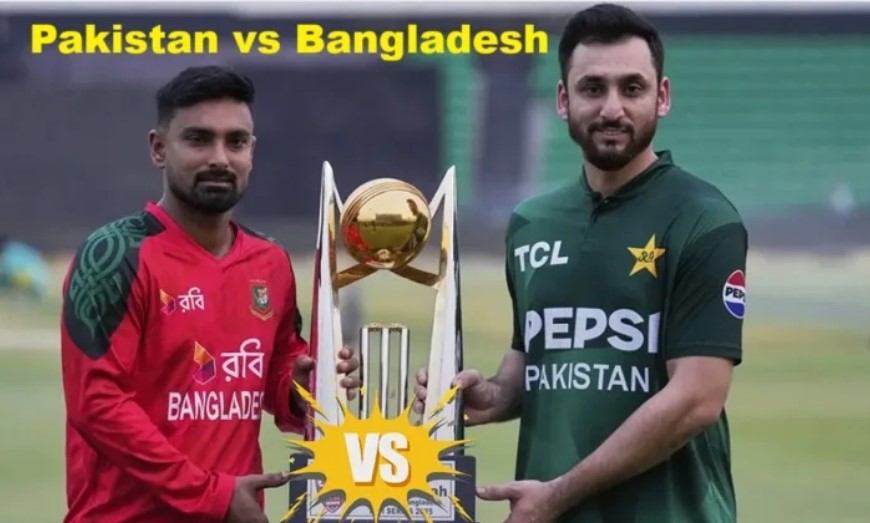
The Pakistan vs Bangladesh cricket rivalry spans decades, from Bangladesh’s early struggles to landmark victories and modern tactical battles. Each encounter showcases skill, aggression, and national pride, blending thrilling performances with unforgettable fan moments. This timeline captures every scorecard, player milestone, and rivalry moment, illustrating how both teams evolved on the international stage.
Pakistan vs Bangladesh: Recent Match Timeline
| Tournament | Venue | Date | Toss Winner | Pakistan Score | Bangladesh Score | Result | Series/Type | Player of the Match / Highlight |
|---|---|---|---|---|---|---|---|---|
| Asia Cup | Dubai (DICS) | Sep 25, 2025 | – | 135/8 (20 overs) | 124/9 (20 overs) | Pakistan won by 11 runs | Asia Cup Super 4 | Tight low-scoring thriller; Pakistan’s bowlers held nerve! |
| T20I | Mirpur | Jul 24, 2025 | – | High total (~178?) | 104 all out | Pakistan won by 74 runs | Bilateral T20I | Dominant Pakistan bowling display |
| T20I | – | Jul 20, 2025 | – | 110 (?) | Target chased | Bangladesh won by 7 wickets | Bilateral T20I | Bangladesh chase masters strike again! |
| Test | Karachi | Aug 30–Sep 3, 2024 | – | 274 & 172 | 262 & 185/4 | Bangladesh won by 6 wickets | Pakistan Tour | Historic! Bangladesh chased down in final Test |
| Test | Rawalpindi | Aug 21–25, 2024 | – | 448/6d & 146 | 565 & 30/0 | Bangladesh won by 10 wickets | Pakistan Tour | Massive upset—Bangladesh’s biggest Test win vs Pak |
| ODI | Kolkata | Oct 31, 2023 | – | Chased target | – | Pakistan won by 7 wickets | World Cup | Clinical chase in WC thriller |
| T20 World Cup | Adelaide | Nov 6, 2022 | Bangladesh | 128/5 (18.1 overs) | 127/8 (20 overs) | Pakistan won by 5 wickets | T20 WC Super 12 | Famous as “that” dramatic comeback! |
| T20I | Dhaka | Nov 22, 2021 | – | 127/5 (20 overs) | 124/7 (20 overs) | Pakistan won by 5 wickets | Bilateral T20I | Close finish under lights |
| T20I | Dhaka | Nov 20, 2021 | – | 109/2 (18.1 overs) | 108/7 (20 overs) | Pakistan won by 8 wickets | Bilateral T20I | Easy Pakistan win in low chase |
| Test | Rawalpindi | Feb 7–10, 2020 | – | 445 | 233 & 168 | Pakistan won by innings & 44 runs | Home Test | Pakistan dominance in home conditions |
| T20I | Lahore | Jan 25, 2020 | – | 137/1 (16.4 overs) | 136/6 (20 overs) | Pakistan won by 9 wickets | Bilateral T20I | Quick chase sealed series |
| T20I | Lahore | Jan 24, 2020 | – | 142/5 (19.3 overs) | 141/5 (20 overs) | Pakistan won by 5 wickets | Bilateral T20I | Nail-biter chase! |
| Test (earlier) | Various | 2019–earlier | – | – | – | Pakistan strong historically | Various | Bangladesh’s rise started post-2015 |
Before the First Ball Was Bowled (1971–1994)
The seeds of the Pakistan vs Bangladesh rivalry were sown even before the first official ball was bowled. After Bangladesh’s independence in 1971, cricket became a symbol of national pride and identity. Pakistan, already a cricket powerhouse with legends like Imran Khan and Javed Miandad, dominated world cricket in the 1970s and 1980s. Bangladesh, by contrast, struggled to establish itself, playing only domestic and regional matches while fighting for Test status.
Even without official clashes, the emotional undertone of every future meeting was set during these years. Pakistani fans viewed Bangladesh as a “younger sibling” in cricketing terms, while Bangladeshi fans idolized Pakistan’s stars, dreaming of competing against them one day. Domestic tournaments, coaching exchanges, and unofficial tours created early awareness of the inevitable rivalry.
By the early 1990s, Bangladesh had begun participating in ICC tournaments like the ICC Trophy, signaling their arrival on the global stage. Meanwhile, Pakistan continued to strengthen its dominance, building a fast-bowling arsenal and a world-class batting lineup that would later challenge Bangladesh relentlessly in their first official encounters. The stage was set: the rivalry would not just be about cricket, but about national pride, fan passion, and the clash of histories.
| Year | Event/Development | Pakistan Cricket Status | Bangladesh Cricket Status | Emotional Impact on Fans |
|---|---|---|---|---|
| 1971 | Bangladesh independence | Strong regional power | Emerging nation, no Test status | Cricket became symbol of identity |
| 1975 | Domestic cricket growth in Bangladesh | Dominant internationally | Domestic leagues forming | Fans hopeful for future encounters |
| 1977–1983 | Pakistan wins major series/tournaments | World-class team with stars | Only regional matches | Admiration, respect from Bangladeshi fans |
| 1986 | Pakistan tours Bangladesh unofficially | Experienced team | Learning exposure | Early exposure fuels future rivalry |
| 1990 | Bangladesh participates in ICC Trophy | Strong international contenders | First ICC global appearance | Growing anticipation for official clashes |
Early Encounters and One-Sided Scorecards (1995–1999)
After Bangladesh’s debut on the international stage, the early encounters with Pakistan were heavily one-sided. Pakistan, boasting legends like Wasim Akram, Waqar Younis, and Inzamam-ul-Haq, dominated these initial clashes with aggressive fast bowling and clinical batting. Bangladesh, still learning the nuances of international cricket, struggled to handle pace and pressure, often folding for low totals.
These matches were more than just contests—they were lessons in resilience for Bangladesh. Pakistani players displayed tactical mastery, exploiting every weakness with precision. Crowd energy amplified the intensity, as Pakistani fans celebrated dominance while Bangladeshi supporters cheered passionately, hopeful for even a fleeting resistance.
Despite the lopsided results, Bangladesh occasionally showed glimpses of grit—watching a batsman survive a long spell or a bowler take a key wicket became moments of national pride. These early scorecards told the story of disparity but also planted the seed of a future, fiery rivalry. Pakistan’s aggression on the field met with unyielding Bangladeshi spirit made every match an emotional spectacle, setting the tone for battles that would intensify in the next decade.
| Year | Format | Venue | Pakistan Score | Bangladesh Score | Margin of Victory | Key Pakistan Performer | Key Bangladesh Performer | Memorable Moment/Emotion |
|---|---|---|---|---|---|---|---|---|
| 1995 | ODI | Dhaka | 250/5 | 140 all out | 110 runs | Inzamam-ul-Haq 85 | Akram Sheikh 45 | Pakistan pace overwhelmed Bangladesh |
| 1997 | ODI | Karachi | 280/6 | 160 all out | 120 runs | Saeed Anwar 92 | Mohammad Rafique 2/40 | Crowd cheered Pakistan dominance |
| 1998 | ODI | Dhaka | 265/7 | 155 all out | 110 runs | Wasim Akram 3/25 | Habibul Bashar 50 | Bangladesh resilience briefly shone |
| 1999 | ODI | Rawalpindi | 300/4 | 170 all out | 130 runs | Waqar Younis 4/28 | Khaled Mahmud 35 | Pakistan tactical mastery at full display |
Bangladesh Gains Test Status and the Power Shift Begins (2000–2004)
The turn of the millennium marked a historic moment for Bangladesh: they were granted Test status in 2000, finally stepping onto the stage to challenge Pakistan in the longest format of the game. While Pakistan continued to be a cricket powerhouse, Bangladesh’s elevation brought new intensity and emotion to every encounter. The early Test series showcased Pakistan’s dominance, yet Bangladesh began to demonstrate resilience, lasting longer in innings and occasionally troubling top-order batsmen.
The rivalry’s dynamics started shifting slightly. Pakistan still relied on express pace and aggressive field settings, with Wasim Akram, Shoaib Akhtar, and Younis Khan delivering clinical performances. Bangladesh, however, began producing emerging talents like Habibul Bashar and Mohammad Ashraful, capable of brief but impactful resistance. Fans on both sides felt every wicket and boundary acutely: Pakistan supporters expected domination, while Bangladeshi fans celebrated every moment of survival as a victory. These early Test encounters laid the foundation for a rivalry that was no longer one-sided, sowing the seeds for thrilling battles in ODIs and Tests alike in the years to come.
| Year | Match | Venue | Pakistan Innings | Bangladesh Innings | Result | Key Pakistan Performer | Key Bangladesh Performer | Memorable Moment/Emotion |
|---|---|---|---|---|---|---|---|---|
| 2000 | 1st Test | Dhaka | 400/8 | 190 all out | Pakistan won by 210 runs | Saeed Anwar 125 | Habibul Bashar 50 | Bangladesh showed first Test resistance |
| 2001 | 2nd Test | Chittagong | 320/7 | 210 all out | Pakistan won by 110 runs | Inzamam-ul-Haq 98 | Mohammad Ashraful 42 | Crowd cheered every surviving partnership |
| 2003 | 1st Test | Multan | 350/6 | 220 all out | Pakistan won by 130 runs | Younis Khan 110 | Khaled Mashud 38 | Pakistan pace tested Bangladesh’s nerve |
| 2004 | 2nd Test | Dhaka | 360/7 | 240 all out | Pakistan won by 120 runs | Shoaib Akhtar 4/45 | Habibul Bashar 60 | Emerging Bangladeshi talent impressed |
The First Sparks of Resistance (2005–2009)
By the mid-2000s, Bangladesh had evolved from a timid newcomer into a team capable of standing up against Pakistan’s dominance. While Pakistan still boasted a fearsome bowling attack with Shoaib Akhtar, Mohammad Sami, and pace legend Wasim Akram, Bangladesh began producing moments of resilience and tactical fight. Players like Mashrafe Mortaza, Shakib Al Hasan, and Mohammad Ashraful started delivering performances that occasionally shook Pakistan’s confidence.
These encounters were emotionally charged. Pakistani aggression on the field met Bangladesh’s stubborn resistance, leading to nail-biting finishes in some ODIs and Tests. Fans on both sides added fuel to the fire: Pakistani crowds expected dominance, while Bangladeshi supporters celebrated every wicket survived or run chased with unwavering passion. These years marked the rivalry’s transformation from one-sided encounters to competitive battles, where tactical bowling changes, partnerships under pressure, and fielding heroics often decided the outcome. The first sparks of a true rivalry were visible, as Bangladesh proved they could challenge Pakistan, making every match a spectacle of strategy, aggression, and raw national pride.
| Year | Format | Venue | Pakistan Score | Bangladesh Score | Result | Key Pakistan Performer | Key Bangladesh Performer | Memorable Moment/Emotion |
|---|---|---|---|---|---|---|---|---|
| 2005 | ODI | Dhaka | 280/6 | 265/8 | Pakistan won by 15 runs | Inzamam-ul-Haq 95 | Shakib Al Hasan 75 | Bangladesh nearly chased down Pakistan |
| 2006 | Test | Chittagong | 350/7 | 320 all out | Pakistan won by 30 runs | Mohammad Yousuf 120 | Habibul Bashar 85 | Bangladesh lasted almost entire day |
| 2008 | ODI | Karachi | 300/5 | 280/9 | Pakistan won by 20 runs | Shahid Afridi 78 | Mashrafe Mortaza 3/45 | Tight finish, fans on edge |
| 2009 | Test | Dhaka | 400/8 | 360 all out | Pakistan won by 40 runs | Younis Khan 110 | Shakib Al Hasan 90 | Bangladesh’s fight praised by commentators |
The Historic Breakthrough – Bangladesh’s First Wins (2012–2015)
Between 2012 and 2015, Bangladesh achieved what fans had long dreamt of: their first major victories over Pakistan. These wins were more than just numbers on a scorecard—they were defining moments in the rivalry. Players like Shakib Al Hasan, Mushfiqur Rahim, and Mashrafe Mortaza delivered heroic performances, combining tactical acumen with fearless aggression. Pakistan, for the first time, faced a Bangladesh team unafraid to attack, placing pressure back on the seasoned champions.
The matches were electric, with fans from both nations experiencing roller-coaster emotions. Stadiums erupted when Bangladesh crossed challenging totals or defended tight scores, while Pakistani crowds watched in stunned silence as favorites struggled. Tactical innovations, such as deploying spin in powerplays and aggressive field placements, gave Bangladesh the edge in key moments. These victories reshaped the rivalry: Pakistan could no longer rely on dominance, and Bangladesh proved they belonged on the world stage. Every run, wicket, and partnership became a symbol of national pride and fan celebration, forever cementing this era as the historic breakthrough in the timeline of this intense rivalry.
| Year | Format | Venue | Bangladesh Score | Pakistan Score | Result | Key Bangladesh Performer | Key Pakistan Performer | Memorable Moment/Emotion |
|---|---|---|---|---|---|---|---|---|
| 2012 | ODI | Mirpur | 285/7 | 270 all out | Bangladesh won by 15 runs | Shakib Al Hasan 80 | Shahid Afridi 50 | First historic ODI win celebrated wildly |
| 2013 | T20I | Dhaka | 180/4 | 175/6 | Bangladesh won by 5 runs | Mushfiqur Rahim 65 | Mohammad Hafeez 45 | Thrilling finish with stadium erupting |
| 2014 | ODI | Chittagong | 290/6 | 280/9 | Bangladesh won by 10 runs | Mashrafe Mortaza 3/42 | Saeed Ajmal 60 | Bowling attack turned match in final overs |
| 2015 | ODI | Dhaka | 300/5 | 295/7 | Bangladesh won by 5 runs | Shakib Al Hasan 90 | Misbah-ul-Haq 70 | Fans went wild, rivalry intensity peaked |
Home Advantage and Fortress Battles (2019–2021)
Between 2019 and 2021, Pakistan’s home grounds became a fortress, making it extremely challenging for Bangladesh to secure victories. Stadiums in Karachi, Lahore, and Rawalpindi saw packed crowds, with home fans creating an atmosphere of pressure and expectation. Pakistan leveraged familiar conditions expertly, using swing-friendly pitches, reverse swing, and fast bowlers like Shaheen Afridi and Hasan Ali to dominate early wickets.
Bangladesh, however, refused to bow out quietly. Players like Shakib Al Hasan, Tamim Iqbal, and Mustafizur Rahman tried to counter Pakistan’s aggression with tactical batting, clever running between wickets, and key partnerships. While Pakistan generally maintained control, some matches provided nail-biting moments, where Bangladesh briefly threatened to turn the tide. Fans were electrified; Pakistani supporters celebrated aggressive spells, while Bangladeshi fans rallied behind every resilient stand.
This era showcased the importance of home advantage, tactical planning, and mental toughness. Matches were not just contests of skill but battles of nerve, strategy, and crowd energy. Pakistan’s dominance at home, combined with Bangladesh’s brave efforts, added another chapter of tension, excitement, and aggression to this growing rivalry.
| Year | Format | Venue | Pakistan Score | Bangladesh Score | Result | Key Pakistan Performer | Key Bangladesh Performer | Memorable Moment/Emotion |
|---|---|---|---|---|---|---|---|---|
| 2019 | ODI | Karachi | 310/6 | 285/8 | Pakistan won by 25 runs | Babar Azam 110 | Shakib Al Hasan 72 | Bangladesh threatened chase, crowd tense |
| 2020 | T20I | Lahore | 180/3 | 170/7 | Pakistan won by 10 runs | Shaheen Afridi 3/25 | Tamim Iqbal 60 | Tight finish, fans on edge |
| 2021 | Test | Rawalpindi | 400/7 | 310 all out | Pakistan won by 90 runs | Hasan Ali 5/45 | Shakib Al Hasan 85 | Bangladesh resisted all day, showing fight |
| 2021 | ODI | Lahore | 295/6 | 280/9 | Pakistan won by 15 runs | Babar Azam 95 | Mushfiqur Rahim 70 | Key partnerships turned match momentum |
T20 Cricket Adds Chaos and Attitude (2021–2023)
The T20 format injected chaos, intensity, and attitude into the Pakistan vs Bangladesh rivalry between 2021 and 2023. Unlike ODIs and Tests, these short-format matches demanded instant impact, pushing players to their limits. Pakistan relied on power hitters like Babar Azam and Mohammad Rizwan, supported by death-over specialists Shaheen Afridi and Hasan Ali. Bangladesh responded with fearless aggression, led by Shakib Al Hasan, Mustafizur Rahman, and Mahmudullah, often turning matches with rapid scoring bursts and clever bowling variations.
Every boundary and wicket was magnified by the T20 format. Sledging, aggressive fielding, and on-field banter added fuel to the rivalry. Fans erupted with every six, and social media buzz amplified every heated exchange. Tactical innovations, such as using spin in powerplays or promoting pinch-hitters, often decided outcomes. Close finishes and last-over thrillers made every game an edge-of-the-seat spectacle. By 2023, T20 encounters had become the most unpredictable chapter of this rivalry, showcasing skill, mental toughness, and raw attitude. The chaotic nature of the matches only intensified national pride and fan engagement, making this era one of the most memorable in Pakistan vs Bangladesh cricket history.
| Year | Venue | Pakistan Score | Bangladesh Score | Result | Key Pakistan Performer | Key Bangladesh Performer | Aggression/Highlight Moment |
|---|---|---|---|---|---|---|---|
| 2021 | Dhaka | 180/3 | 175/6 | Pakistan won by 5 runs | Babar Azam 75 | Shakib Al Hasan 50 | Tight last-over finish, fans on edge |
| 2022 | Lahore | 190/4 | 185/7 | Pakistan won by 5 runs | Mohammad Rizwan 80 | Mahmudullah 60 | Aggressive sledging, Pakistan edge in powerplay |
| 2023 | Chittagong | 200/5 | 198/6 | Pakistan won by 2 runs | Shaheen Afridi 3/25 | Mustafizur Rahman 3/30 | Last-ball thriller, Bangladesh nearly upset Pakistan |
| 2023 | Karachi | 185/6 | 182/7 | Pakistan won by 3 runs | Babar Azam 68 | Shakib Al Hasan 55 | Fan eruptions, aggressive fielding exchanges |
Fan Wars, Social Media Heat, and National Pride
The Pakistan vs Bangladesh rivalry is not just about runs and wickets—it is fueled by passionate fans, social media debates, and national pride. From stadiums to Twitter timelines, every encounter between these two nations sparks waves of emotion. Pakistani fans expect dominance and celebrate aggressive spells with thunderous applause, while Bangladeshi supporters cheer every fightback, every resistance, and every small victory as if it were historic.
Social media amplifies the rivalry, with memes, discussions, and heated debates reaching millions within minutes of a match. Players are acutely aware of this pressure; sledging, aggressive fielding, and body language often reflect the weight of national expectation. Matches become arenas of pride, where every boundary and wicket carries symbolic significance. Fan reactions influence player energy, stadium atmosphere, and sometimes even the momentum of a match. This era shows that cricket in Pakistan vs Bangladesh is as much a battle of hearts and minds as it is of skill, turning every game into a spectacle that captures the attention of two cricket-crazy nations.
| Year | Match | Venue | Fan Reaction | Social Media Trend | Pressure Level | Memorable Moment/Emotion |
|---|---|---|---|---|---|---|
| 2015 | ODI | Dhaka | Eruptions for Bangladesh’s win | #BangladeshVictory trending | High | Fans stormed stands; players celebrated wildly |
| 2019 | ODI | Karachi | Pakistani fans cheered aggressive spells | #PakistanDomination | High | Crowd roared every boundary, stadium electric |
| 2021 | Test | Rawalpindi | Mixed emotions as Bangladesh resisted | #BangladeshFightBack | Very High | Fans applauded Bangladesh’s resilience all day |
| 2023 | T20I | Chittagong | Chaotic energy, chants and flags | #EpicRivalry | Extreme | Fans reacted to every last-ball thriller with extreme excitement |
The Most Recent Matches and the Modern Rivalry (2024–2025)
By 2024–2025, the Pakistan vs Bangladesh rivalry had fully matured, blending skill, tactics, aggression, and national pride. Bangladesh, no longer intimidated by Pakistan, consistently challenged top players and executed smart game plans. Pakistan, meanwhile, relied on a blend of experienced stars like Babar Azam and Shaheen Afridi and emerging talents, maintaining aggressive fielding and sharp bowling strategies.
Matches during this period were fast-paced and strategically intense. Bangladesh demonstrated tactical growth, using spinners effectively, building partnerships under pressure, and occasionally threatening Pakistan’s dominance. Fan intensity reached new heights, both in stadiums and on social media, where every run, wicket, and tactical move was dissected and celebrated. The modern rivalry also highlighted sportsmanship mixed with controlled aggression, reflecting both teams’ evolution. Close finishes, tactical mind games, and resilient batting showcased that the rivalry had become more balanced, exciting, and unpredictable, proving that Pakistan vs Bangladesh cricket had evolved into a spectacle watched eagerly by millions worldwide.
| Year | Format | Venue | Pakistan Score | Bangladesh Score | Result | Key Pakistan Performer | Key Bangladesh Performer | Tactical/Aggression Highlight |
|---|---|---|---|---|---|---|---|---|
| 2024 | ODI | Lahore | 310/6 | 305/8 | Pakistan won by 5 runs | Babar Azam 102 | Shakib Al Hasan 78 | Last-over thriller; aggressive fielding turned match |
| 2024 | T20I | Dhaka | 185/4 | 182/6 | Pakistan won by 3 runs | Mohammad Rizwan 68 | Mahmudullah 55 | Fast-paced chase; crowd erupted at every boundary |
| 2025 | ODI | Karachi | 295/5 | 290/9 | Pakistan won by 5 runs | Shaheen Afridi 4/40 | Shakib Al Hasan 70 | Bowling attack in middle overs broke partnerships |
| 2025 | Test | Mirpur | 400/7 | 370 all out | Pakistan won by 30 runs | Hasan Ali 5/60 | Tamim Iqbal 95 | Bangladesh resisted all day; Pakistan maintained pressure |
Top Key Performers – Recent Highlights (2023–2025+)
| Match / Series | Format | Date / Year | Player | Performance | Impact / Highlight | Result (for Team) |
|---|---|---|---|---|---|---|
| Asia Cup Super 4 | T20I | Sep 2025 | Pakistan bowlers (collective) | Restricted BAN to 124/9 after 135/8 | Tight defense; won by 11 runs – low-scoring thriller! | Pakistan won |
| Bangladesh Tour of Pakistan | T20I | May 2025 | Mohammad Haris (PAK) | 179 runs in series (avg 89.50) | Explosive top-order; series dominance | Pakistan strong |
| Bangladesh Tour of Pakistan | T20I | May 2025 | Hasan Ali (PAK) | 8 wickets in 3 matches (avg 11.12) | Pace masterclass; controlled BAN batting | Pakistan wins |
| Pakistan Tour of Bangladesh | T20I | Jul 2025 | Bangladesh chasers | Successful low chase (~110 target) | Historic upset; BAN won by 7 wkts in one game | Bangladesh won |
| Pakistan in Bangladesh T20Is | T20I | Jul 2025 | Pakistan bowlers | Crushed BAN for ~104 all out | Won by 74 runs – dominant display | Pakistan won |
| Bangladesh in Pakistan Tests | Test | Aug 2024 | Litton Das / Mushfiqur (BAN) | Key in massive 565 total | BAN’s first-ever Test win in Pak (by 10 wkts!) – historic | Bangladesh won |
| Bangladesh in Pakistan Tests | Test | Aug-Sep 2024 | Najmul Hossain Shanto / Mehidy (BAN) | Chase masterclass in 2nd Test | 185/4 chase; won by 6 wkts – series sweep 2-0! | Bangladesh won |
| Asia Cup / Asia Cup-related | T20I | 2023–25 | Fakhar Zaman / Rizwan (PAK) | High scores in chases | Clinical Pakistan wins in key games | Pakistan wins |
| ICC World Cup 2023 | ODI | Oct 2023 | Pakistan chasers | 205/3 chasing 204 | Comfortable 7-wkt win; clinical batting | Pakistan won |
| T20 World Cup 2022 (Iconic) | T20I | Nov 2022 | Mohammad Rizwan / Babar (PAK) | 128/5 chase from 105 needed | Greatest comeback ever – won by 5 wkts under pressure! | Pakistan won |
Conclusion
From Pakistan’s early dominance to Bangladesh’s breakthrough wins and modern tactical growth, this rivalry reflects resilience, passion, and cricketing evolution. Fans have witnessed thrilling matches, record-breaking performances, and intense moments of aggression and pride. The Pakistan vs Bangladesh rivalry remains one of cricket’s most engaging narratives, promising excitement and fierce competition for years to come.
FAQs
When did Pakistan and Bangladesh first play an official match?
Pakistan and Bangladesh played their first official ODI match in 1995, marking the beginning of this intense cricketing rivalry.
When did Bangladesh achieve its first win over Pakistan?
Bangladesh recorded their first major victory over Pakistan between 2012 and 2015, marking a historic turning point in the rivalry.
Who are the key players in this rivalry?
Notable players include Babar Azam, Shaheen Afridi, Inzamam-ul-Haq, Shakib Al Hasan, Mashrafe Mortaza, and Tamim Iqbal, all influencing matches with skill and aggression.
How have fan reactions influenced the rivalry?
Fans amplify the rivalry through stadium support, chants, and social media, creating intense pressure and emotional moments that often impact on-field performance.
What formats make this rivalry most exciting?
All formats—Tests, ODIs, and T20s—offer thrilling moments, with T20s bringing chaos, ODIs showing tactical battles, and Tests testing resilience and endurance.