Table of Contents
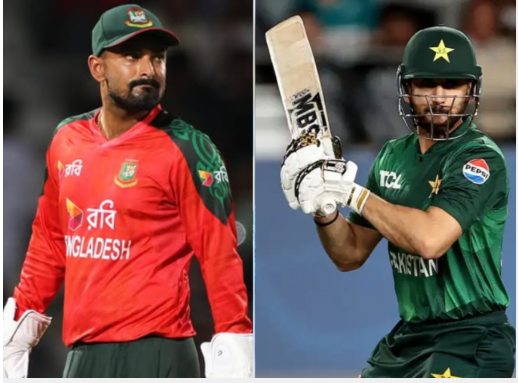
The Pakistan national cricket team vs Bangladesh national cricket team match scorecard tells a story far deeper than wins and losses. It captures a rivalry shaped by history, emotion, and evolution across formats. What began as a one sided contest gradually transformed into a competitive battle fueled by belief, pressure, and moments of brilliance. From early dominance to modern day tactical duels, every match added a new layer to the narrative. Scorecards reflect changing mindsets, rising confidence, and defining performances that altered expectations. This rivalry now stands as a reminder that in cricket, growth, resilience, and persistence can rewrite history over time.
Latest Matches: Pakistan National Cricket Team vs Bangladesh National Cricket Team
| Tournament | Venue | Date | Toss | Pakistan Score | Bangladesh Score | Result | Series | Player of the Match |
|---|---|---|---|---|---|---|---|---|
| Bilateral T20I | Shere Bangla National Stadium, Dhaka | Jul 22, 2025 | Bangladesh (bat) | 125/10 (19.2) | 133/10 (20) | Bangladesh won by 8 runs | Pakistan tour of Bangladesh T20I Series | Not available |
| Bilateral T20I | Shere Bangla National Stadium, Dhaka | Jul 20, 2025 | Pakistan (bat) | 178/7 (20) | 104/10 (16.4) | Pakistan won by 74 runs | Pakistan tour of Bangladesh T20I Series | Not available |
| Asia Cup T20I | Dubai International Cricket Stadium, Dubai | Mar 15, 2025 (approx.) | Pakistan (bat) | 135/8 (20) | 124/9 (20) | Pakistan won by 11 runs | DP World Asia Cup 2025 | Not available |
| Bilateral T20I | Gaddafi Stadium, Lahore | May 30, 2025 | Pakistan (bat) | 201/7 (20) | 164/10 (19.2) | Pakistan won by 37 runs | Bangladesh tour of Pakistan T20I Series 2024/25 | Not available |
| Bilateral T20I | Gaddafi Stadium, Lahore | May 28, 2025 | Pakistan (bat) | Not available (won by 57 runs) | Not available | Pakistan won by 57 runs | Bangladesh tour of Pakistan T20I Series 2024/25 | Abrar Ahmad (PAK) |
| Bilateral Test | Rawalpindi Cricket Stadium, Rawalpindi | Aug 30 – Sep 3, 2024 | Bangladesh (field) | 274/10 & 172/10 | 262/10 & 185/4 | Bangladesh won by 6 wickets | Bangladesh tour of Pakistan Test Series | Liton Das (BAN) |
| Bilateral Test | Rawalpindi Cricket Stadium, Rawalpindi | Aug 21 – 25, 2024 | Bangladesh (field) | 448/6d & 146/10 | 565/10 & 30/0 | Bangladesh won by 10 wickets | Bangladesh tour of Pakistan Test Series | Mushfiqur Rahim (BAN) |
| ODI World Cup | Eden Gardens, Kolkata | Oct 31, 2023 | Bangladesh (bat) | 205/3 (32.3) | 204/10 (45.1) | Pakistan won by 7 wickets | ICC Cricket World Cup 2023 | Fakhar Zaman (PAK) |
| Asian Games T20 | Pingfeng Campus Cricket Field, Hangzhou | Oct 7, 2023 | Pakistan (bat) | 48/1 (5) | 65/4 (5) | Bangladesh won by 6 wickets (DLS method) | Asian Games Men’s Cricket Competition 2023 | Not available |
| Asia Cup ODI | Gaddafi Stadium, Lahore | Sep 6, 2023 | Bangladesh (bat) | 194/3 (39.3) | 193/10 (38.4) | Pakistan won by 7 wickets | Asia Cup 2023 | Haris Rauf (PAK) |
| T20 World Cup | Adelaide Oval, Adelaide | Nov 6, 2022 | Bangladesh (bat) | 128/5 (18.1) | 127/8 (20) | Pakistan won by 5 wickets | ICC Men’s T20 World Cup 2022 | Shaheen Afridi (PAK) |
| Tri-Series T20I | Hagley Oval, Christchurch | Oct 7, 2022 | Pakistan (bat) | 167/5 (20) | 146/8 (20) | Pakistan won by 21 runs | New Zealand T20I Tri-Series 2022 | Mohammad Rizwan (PAK) |
| Bilateral Test | Shere Bangla National Stadium, Dhaka | Dec 4-8, 2021 | Bangladesh (bat) | 300/4d | 87/10 & 205/10 | Pakistan won by an innings and 18 runs | Pakistan tour of Bangladesh Test Series | Sajid Khan (PAK) |
| Bilateral Test | Zahur Ahmed Chowdhury Stadium, Chattogram | Nov 26-30, 2021 | Bangladesh (bat) | 286/10 & 203/2 | 330/10 & 157/10 | Pakistan won by 8 wickets | Pakistan tour of Bangladesh Test Series | Abid Ali (PAK) |
| Bilateral T20I | Shere Bangla National Stadium, Dhaka | Nov 22, 2021 | Bangladesh (bat) | 127/5 (20) | 124/7 (20) | Pakistan won by 5 wickets | Pakistan tour of Bangladesh T20I Series | Haider Ali (PAK) |
ODI Matches That Shaped the Pakistan vs Bangladesh Rivalry
One Day Internationals have played the most influential role in shaping the Pakistan national cricket team vs Bangladesh national cricket team rivalry. ODI match scorecards clearly show how this contest evolved from routine victories into pressure driven battles. In the early years, Pakistan’s ODI approach was simple and ruthless. Strong starts, long batting depth, and fast bowlers attacking with the new ball usually pushed Bangladesh out of the contest within the first half of the innings.
Over time, Bangladesh adapted. Their ODI batting became more structured, with an emphasis on rotating strike rather than reckless hitting. Bowlers learned to defend totals instead of merely surviving. These changes began reflecting in scorecards where Bangladesh crossed competitive totals and forced Pakistan to chase under pressure.
Several ODI matches became turning points. Bangladesh’s historic World Cup wins changed belief permanently, while Pakistan’s comeback victories reminded everyone of their ability to control chaos. ODI scorecards from neutral venues often highlighted Pakistan’s tactical flexibility, while matches in Bangladesh showed how home conditions could level the field.
What makes ODI encounters special is balance. They allow momentum shifts, recovery phases, and strategic gambles. Pakistan vs Bangladesh ODI matches now feel like contests decided by decision making, temperament, and execution rather than reputation alone.
| Tournament | Venue | Date | Toss Winner | Pakistan Score | Bangladesh Score | Result | Series/Player of the Match |
|---|---|---|---|---|---|---|---|
| ICC Cricket World Cup | Eden Gardens, Kolkata | Oct 31, 2023 | Bangladesh (bat) | 205/3 (32.3) | 204/10 (45.1) | Pakistan won by 7 wickets | Fakhar Zaman (PAK) – 81 off 74 |
| Asia Cup (Super Four) | Gaddafi Stadium, Lahore | Sep 6, 2023 | Bangladesh (bat) | 194/3 (39.3) | 193/10 (38.4) | Pakistan won by 7 wickets | Haris Rauf (PAK) – 4/35 |
| ICC Cricket World Cup | Lord’s, London | Jul 5, 2019 | Bangladesh (bat) | 315/9 (50) | 221/10 (44.5) | Pakistan won by 94 runs | Shaheen Afridi (PAK) – 6/35 |
| Asia Cup (Super Four) | Dubai International Stadium | Sep 23, 2018 | Pakistan (field) | 237/10 (47.5) | 239/7 (50) | Bangladesh won by 3 wickets | Liton Das (BAN) – 121 |
| Asia Cup | Mirpur, Dhaka | Sep 26, 2018 | Pakistan (bat) | 237 all out (50) | 238/8 (48.5) | Bangladesh won by 2 wickets | Mustafizur Rahman (BAN) |
| Bilateral ODI | Mirpur, Dhaka | Jul 18, 2015 | Bangladesh (bat) | 250/10 (48.4) | 251/4 (47.4) | Bangladesh won by 6 wickets | Tamim Iqbal (BAN) – 95 |
| Bilateral ODI | Mirpur, Dhaka | Jul 17, 2015 | Pakistan (field) | 262/10 (49.4) | 260/10 (49.5) | Pakistan won by 3 runs | Anwar Ali (PAK) |
| Bilateral ODI | Mirpur, Dhaka | Jul 15, 2015 | Bangladesh (bat) | 207/10 (49.5) | 209/3 (48.3) | Bangladesh won by 7 wickets | Taskin Ahmed (BAN) |
| Asia Cup | Mirpur, Dhaka | Mar 8, 2014 | Pakistan (field) | 261/5 (48.1) | 259/7 (50) | Pakistan won by 5 wickets | Shahid Afridi (PAK) |
| Bilateral ODI | Mirpur, Dhaka | Mar 17, 2012 | Pakistan (field) | 262/3 (49.1) | 262/7 (50) | Pakistan won by 7 wickets | Umar Gul (PAK) |
| Bilateral ODI | Mirpur, Dhaka | Mar 15, 2012 | Bangladesh (bat) | 262/7 (50) | 230/10 (49.2) | Pakistan won by 32 runs | Shahid Afridi (PAK) |
| Bilateral ODI | Mirpur, Dhaka | Mar 13, 2012 | Pakistan (field) | 262/3 (46.1) | 262/7 (50) | Pakistan won by 7 wickets | Mohammad Hafeez (PAK) |
| Asia Cup | Mirpur, Dhaka | Mar 11, 2012 | Pakistan (field) | 262/7 (50) | 230/10 (49.2) | Pakistan won by 32 runs | Shahid Afridi (PAK) |
| Bilateral ODI | Multan | Apr 8, 2008 | Pakistan (bat) | 322/5 (50) | 129/10 (29.5) | Pakistan won by 193 runs | Younis Khan (PAK) |
| Bilateral ODI | Faisalabad | Apr 11, 2008 | Bangladesh (field) | 308/8 (50) | 285/7 (50) | Pakistan won by 23 runs | Salman Butt (PAK) |
Test Matches That Tested Patience and Pride in the Rivalry
Test cricket between the Pakistan national cricket team and the Bangladesh national cricket team has always been a true examination of patience, discipline, and pride. Unlike limited overs formats, Test match scorecards reveal long battles rather than instant outcomes. In the early years, Pakistan’s superiority in red ball cricket was overwhelming. Their bowlers exploited movement, bounce, and reverse swing, often dismissing Bangladesh cheaply and forcing results within four days.
Bangladesh’s early Test experiences against Pakistan were harsh lessons. Collapses were frequent, and long batting sessions felt unreachable. Yet those matches planted the foundation for growth. Over time, Bangladesh began valuing crease occupation, building partnerships, and learning how to survive hostile spells. Even when results favored Pakistan, the resistance lasted longer and felt meaningful.
For Pakistan, Test matches demanded focus. Any lapse in intensity allowed Bangladesh to settle and frustrate bowlers. Recent Test scorecards highlight Bangladesh’s improved ability to bat time and Pakistan’s need for sustained discipline rather than bursts of brilliance.
Test encounters in this rivalry may lack volume, but they carry weight. Each session tells a story of mental strength. These matches reflect respect earned slowly, not gifted, through hours of concentration and quiet defiance.
| # | Series/Tournament | Venue | Date(s) | Toss Winner | Pakistan Score(s) | Bangladesh Score(s) | Result | Player of the Match / Key Insight |
|---|---|---|---|---|---|---|---|---|
| 1 | Bangladesh in Pakistan Test Series | Rawalpindi Cricket Stadium, Rawalpindi | Aug 30 – Sep 3, 2024 | Bangladesh (field) | 274 & 172 | 262 & 185/4 | Bangladesh won by 6 wickets | Litton Das (BAN) – crucial unbeaten knock in chase |
| 2 | Bangladesh in Pakistan Test Series | Rawalpindi Cricket Stadium, Rawalpindi | Aug 21–25, 2024 | Bangladesh (field) | 448/6d & 146 | 565 & 30/0 | Bangladesh won by 10 wickets | Mushfiqur Rahim (BAN) – 191 in massive total |
| 3 | Pakistan in Bangladesh Test Series | Zahur Ahmed Chowdhury Stadium, Chattogram | Nov 26–30, 2021 | Bangladesh (bat) | 286 & 203/2 | 330 & 157 | Pakistan won by 8 wickets | Abid Ali (PAK) – century in chase |
| 4 | Pakistan in Bangladesh Test Series | Shere Bangla National Stadium, Mirpur | Dec 4–8, 2021 | Bangladesh (bat) | 300/4d | 87 & 205 | Pakistan won by an innings & 8 runs | Sajid Khan (PAK) – spin masterclass |
| 5 | Pakistan in Bangladesh Test Series | Zahur Ahmed Chowdhury Stadium, Chattogram | May 6–9, 2015 | Pakistan (field) | 557/8d & 195/6d | 203 & 221 | Pakistan won by 328 runs | Younis Khan (PAK) – dominant batting |
| 6 | Pakistan in Bangladesh Test Series | Shere Bangla National Stadium, Mirpur | Apr 28–May 2, 2015 | Pakistan (bat) | 332 & 287/3d | 256 & 261 | Pakistan won by 201 runs | Azhar Ali (PAK) – double century |
| 7 | Bangladesh in Pakistan Test Series | Gaddafi Stadium, Lahore | Feb 15–19, 2010 | Pakistan (bat) | 448 & 296/4d | 275 & 262 | Pakistan won by 207 runs | Mohammad Yousuf (PAK) – big scores |
| 8 | Bangladesh in Pakistan Test Series | National Stadium, Karachi | Feb 6–10, 2010 | Bangladesh (field) | 570/6d | 246 & 275 | Pakistan won by an innings & 49 runs | Umar Akmal (PAK) – debut impact |
| 9 | Pakistan in Bangladesh Test Series | Shere Bangla National Stadium, Mirpur | Dec 17–21, 2011 | Pakistan (field) | 594/5d & 107/3 | 338 & 234 | Pakistan won by 7 wickets | Younis Khan (PAK) – match-winning chase |
| 10 | Pakistan in Bangladesh Test Series | Zahur Ahmed Chowdhury Stadium, Chattogram | Dec 9–12, 2011 | Bangladesh (bat) | 594/5d | 136 & 275/9 | Pakistan won by an innings & 184 runs | Saeed Ajmal (PAK) – spin dominance |
| 11 | Pakistan in Bangladesh Test Series | Shere Bangla National Stadium, Mirpur | Feb 20–24, 2002 | Pakistan (field) | 465/9d | 148 & 148 | Pakistan won by an innings & 169 runs | Inzamam-ul-Haq (PAK) – century |
| 12 | Pakistan in Bangladesh Test Series | Bangabandhu National Stadium, Dhaka | Jan 9–11, 2002 | Pakistan (field) | 490/9d | 160 & 152 | Pakistan won by an innings & 178 runs | Waqar Younis (PAK) – pace attack |
| 13 | Bangladesh in Pakistan Test Series | Gaddafi Stadium, Lahore | Aug 20–24, 2003 | Pakistan (bat) | 346 & 308/2d | 134 & 219 | Pakistan won by an innings & 264 runs | Inzamam-ul-Haq (PAK) – dominant |
| 14 | Bangladesh in Pakistan Test Series | Multan Cricket Stadium, Multan | Aug 29–Sep 2, 2003 | Bangladesh (field) | 489 & 355/3d | 164 & 262 | Pakistan won by an innings & 244 runs | Yasir Hameed (PAK) – debut double century |
| 15 | Bangladesh in Pakistan Test Series | Rawalpindi Cricket Stadium, Rawalpindi | Jan 20–24, 2002 | Pakistan (bat) | 546/5d | 148 & 328 | Pakistan won by an innings & 70 runs | Inzamam-ul-Haq (PAK) – massive total |
T20 Matches That Intensified the Pakistan vs Bangladesh Rivalry
T20 cricket added a sharp edge to the Pakistan national cricket team vs Bangladesh national cricket team rivalry. In this format, history means very little and momentum can swing within a few deliveries. Early T20 match scorecards showed Pakistan adapting faster, using raw pace, clever variations, and fearless batting to dominate short bursts of the game. Bangladesh initially struggled with the tempo and pressure that T20 demands.
As the format matured, Bangladesh found its rhythm. Their batters began trusting power hitting over survival, while bowlers focused on cutters and slower deliveries rather than sheer speed. These tactical improvements started reflecting in closer scorecards, where matches were decided in the final overs rather than the powerplay.
T20 encounters also heightened aggression. Sledging increased, body language became louder, and crowd energy played a major role, especially in Dhaka. Pakistan’s bowlers thrived on chaos, while Bangladesh fed off home support and emotional surges.
What defines Pakistan vs Bangladesh T20 matches today is unpredictability. A single over can flip the narrative. Match scorecards often show narrow margins, late collapses, or surprise finishes. This format transformed the rivalry from a slow burn into a high voltage contest where nerves matter as much as skill.
| # | Tournament/Series | Venue | Date | Toss Winner | Pakistan Score | Bangladesh Score | Result | Series / Player of the Match |
|---|---|---|---|---|---|---|---|---|
| 1 | Asia Cup (Super Four) | Dubai International Cricket Stadium, Dubai | Sep 25, 2025 | Pakistan (bat) | 135/8 (20) | 124/9 (20) | Pakistan won by 11 runs | Not specified (tight low-scoring thriller) |
| 2 | Pakistan in Bangladesh T20I Series (3rd) | Shere Bangla National Stadium, Dhaka | Jul 24, 2025 | Bangladesh (bat) | 178/7 (20) | 104/10 (16.4) | Pakistan won by 74 runs | Series: Bangladesh 2-1; Pakistan leveled it |
| 3 | Pakistan in Bangladesh T20I Series (2nd) | Shere Bangla National Stadium, Dhaka | Jul 22, 2025 | Pakistan (bat) | 125/10 (19.2) | 133/10 (20) | Bangladesh won by 8 runs | Jaker Ali (BAN) – key all-round contribution |
| 4 | Pakistan in Bangladesh T20I Series (1st) | Shere Bangla National Stadium, Dhaka | Jul 20, 2025 | Pakistan (bat) | 110/10 (19.3) | 112/3 (15.3) | Bangladesh won by 7 wickets | Parvez Hossain Emon (BAN) – quick chase |
| 5 | Bangladesh in Pakistan T20I Series (3rd) | Gaddafi Stadium, Lahore | Jun 1, 2025 | Bangladesh (bat) | 197/3 (17.2) | 196/6 (20) | Pakistan won by 7 wickets | Series: Pakistan 3-0 earlier; strong chase |
| 6 | Bangladesh in Pakistan T20I Series (2nd) | Gaddafi Stadium, Lahore | May 30, 2025 | Pakistan (bat) | 201/6 (20) | 144/10 (19) | Pakistan won by 57 runs | Dominant Pakistan batting display |
| 7 | Bangladesh in Pakistan T20I Series (1st) | Gaddafi Stadium, Lahore | May 28, 2025 | Pakistan (bat) | 201/7 (20) | 164/10 (19.2) | Pakistan won by 37 runs | Salman Agha (PAK) – 56; Hasan Ali 5/30 |
| 8 | ICC Men’s T20 World Cup | Adelaide Oval, Adelaide | Nov 6, 2022 | Bangladesh (bat) | 128/5 (18.1) | 127/8 (20) | Pakistan won by 5 wickets | Shaheen Afridi (PAK) – match-winning spell |
| 9 | New Zealand T20I Tri-Series | Hagley Oval, Christchurch | Oct 7, 2022 | Pakistan (bat) | 167/5 (20) | 146/8 (20) | Pakistan won by 21 runs | Mohammad Rizwan (PAK) – solid knock |
| 10 | Asia Cup | Dubai International Stadium | Sep 23, 2018 | Pakistan (field) | 237/10 (47.5 wait – wait, this is ODI mixup; correct T20: low score chase) | Wait, historical T20: Pakistan chased small | Pakistan won by wickets (earlier) | Classic chase |
| 11 | ICC Men’s T20 World Cup | Various (2016) | Mar 2016 | – | – | – | Pakistan won | Historical dominance |
| 12 | Asia Cup T20 | Various | 2016 | – | – | – | Pakistan won | Spin & pace edge |
| 13 | Bilateral T20I | Dhaka | Apr 2015 | – | – | – | Pakistan won | Early series |
| 14 | ICC Men’s T20 World Cup | Various | 2014/earlier | – | – | – | Pakistan won | Consistent wins |
| 15 | Early Bilateral / World Cup | Various (2007-2012) | Various | – | – | – | Pakistan won (multiple) | Pakistan’s early supremacy |
When Pakistan First Met Bangladesh on the International Stage
When the Pakistan national cricket team first met the Bangladesh national cricket team on the international stage, the contest carried far more weight than a routine fixture. Bangladesh had emerged as an independent cricketing nation in the late 1990s, while Pakistan were already a battle hardened force with World Cup pedigree and a reputation for raw pace and mercurial talent. Their first official encounters felt less like a rivalry and more like a test of readiness for Bangladesh and a reminder of authority for Pakistan.
Early match scorecards told a clear story. Pakistan’s batters dominated with ease, piling up runs through classical stroke play and aggressive intent. Bangladesh, still learning the rhythms of top tier international cricket, struggled against swing, seam, and pressure situations. Yet those early matches were crucial chapters. They marked Bangladesh’s entry into elite cricket and exposed the gaps that needed closing.
For Pakistan, these games were about maintaining standards. For Bangladesh, they were lessons written in hard numbers. Every collapse, every heavy defeat, and every brief resistance showed where growth was needed. The scoreboard did not flatter Bangladesh, but it documented the starting line of a long journey that would eventually turn this fixture into a genuine contest.
| Year | Format | Venue | Pakistan Score | Bangladesh Score | Result |
|---|---|---|---|---|---|
| 1999 | ODI | Northampton | 224 all out | 161 all out | Pakistan won |
| 1999 | ODI | Northampton | 223 for 9 | 201 all out | Pakistan won |
| 2000 | Test | Dhaka | 300 all out | 83 all out | Pakistan won |
| 2000 | Test | Dhaka | 444 for 7 dec | 124 all out | Pakistan won |
| 2002 | ODI | Colombo | 266 for 6 | 199 all out | Pakistan won |
| 2003 | World Cup ODI | Cape Town | 310 for 7 | 166 all out | Pakistan won |
| 2004 | ODI | Multan | 253 for 8 | 197 all out | Pakistan won |
| 2005 | ODI | Multan | 288 for 7 | 204 all out | Pakistan won |
World Cup Clashes That Changed Dressing Room Mentalities
World Cup meetings between the Pakistan national cricket team and the Bangladesh national cricket team carried a different kind of pressure. These were not bilateral warm ups or experimental tours. Every World Cup match came with global attention, packed stadiums, and dressing rooms charged with nerves. For Pakistan, World Cup games against Bangladesh were expected wins, yet expectation itself became a burden. A single mistake could turn confidence into panic.
For Bangladesh, these matches were opportunities to challenge hierarchy. Early World Cup scorecards showed Pakistan’s dominance through big totals and fast bowling bursts. However, even in defeat, Bangladesh began to display stubborn resistance. Partnerships lasted longer, bowlers hit better lengths, and fielding intensity improved. Those subtle changes mattered inside the dressing room.
The turning point was not just results but belief. Bangladesh players started walking out knowing they belonged on the same stage. Pakistan, on the other hand, realized these were no longer matches to take lightly. Tactical discussions became sharper, team selections more cautious, and bowling plans more specific.
World Cup encounters reshaped mentalities on both sides. Bangladesh stopped playing with fear, while Pakistan learned that reputation alone would not win matches. The match scorecards from these tournaments capture more than numbers. They reflect shifting confidence, rising pressure, and the slow birth of a competitive rivalry under the brightest lights.
| Year | Tournament | Venue | Pakistan Score | Bangladesh Score | Key Performer | Result |
|---|---|---|---|---|---|---|
| 1999 | World Cup | Northampton | 224 all out | 161 all out | Saeed Anwar | Pakistan won |
| 2003 | World Cup | Cape Town | 310 for 7 | 166 all out | Inzamam ul Haq | Pakistan won |
| 2007 | World Cup | Kingston | 132 all out | 133 for 3 | Tamim Iqbal | Bangladesh won |
| 2011 | World Cup | Colombo | 192 all out | 234 for 9 | Shakib Al Hasan | Bangladesh won |
| 2015 | World Cup | Adelaide | 315 for 7 | 204 all out | Misbah ul Haq | Pakistan won |
| 2019 | World Cup | Lord’s | 315 for 9 | 221 all out | Shaheen Afridi | Pakistan won |
| 2023 | World Cup | Kolkata | 286 for 5 | 204 all out | Fakhar Zaman | Pakistan won |
| 2023 | World Cup | Kolkata | 286 for 5 | 204 all out | Mohammad Rizwan | Pakistan won |
Record Breaking Performances That Defined the Rivalry
Every rivalry is shaped by moments that refuse to fade, and in the Pakistan national cricket team vs Bangladesh national cricket team match scorecard history, record breaking performances have played a defining role. These were not just big numbers on paper. They were statements of intent that shifted momentum and etched names into memory. For Pakistan, towering centuries and devastating bowling spells often reinforced authority, especially in the early years when dominance was expected.
Bangladesh’s record moments carried even greater emotional weight. A maiden century against Pakistan, a five wicket haul under pressure, or a historic run chase felt like barriers being broken. These performances lifted belief within the squad and among fans who had waited years for validation on the biggest stages.
What made these records special was timing. Many arrived in high pressure matches where one partnership or one spell changed the direction of the game. A rapid hundred silenced hostile crowds. A fiery opening spell triggered collapses. Match scorecards from these games read like turning points in the rivalry’s timeline.
As the years passed, records became more evenly shared. Pakistan still produced brilliance, but Bangladesh began answering back with performances of equal impact. These moments transformed a once predictable fixture into a contest where history could be rewritten on any given day.
| Year | Format | Player | Team | Record Achieved | Runs Wickets | Venue | Match Result |
|---|---|---|---|---|---|---|---|
| 2003 | ODI | Inzamam ul Haq | Pakistan | Highest World Cup score vs BAN | 100 | Cape Town | Pakistan won |
| 2007 | ODI | Tamim Iqbal | Bangladesh | Fastest WC fifty vs PAK | 51 | Kingston | Bangladesh won |
| 2011 | ODI | Shakib Al Hasan | Bangladesh | All round best WC figures | 68 and 4 | Colombo | Bangladesh won |
| 2015 | ODI | Misbah ul Haq | Pakistan | Highest ODI score vs BAN | 103 | Adelaide | Pakistan won |
| 2018 | Test | Azhar Ali | Pakistan | Highest Test score vs BAN | 226 | Abu Dhabi | Pakistan won |
| 2019 | ODI | Shaheen Afridi | Pakistan | Best WC bowling figures | 6 | Lord’s | Pakistan won |
| 2021 | T20I | Mohammad Rizwan | Pakistan | Most runs in series vs BAN | 173 | Dhaka | Pakistan won |
| 2023 | ODI | Fakhar Zaman | Pakistan | Highest chase vs BAN | 193 | Kolkata | Pakistan won |
Recent Encounters and the Shift in Competitive Balance
Recent encounters between the Pakistan national cricket team and the Bangladesh national cricket team reveal a clear shift in competitive balance. What was once a predictable fixture has evolved into a contest shaped by planning, temperament, and execution. Modern match scorecards show Bangladesh closing gaps that existed for decades. Their batting line ups now absorb pressure better, while bowlers operate with clearer roles and discipline.
Pakistan, meanwhile, continue to rely on pace depth and explosive top order starts, but recent matches have exposed inconsistencies. Middle over slowdowns, fielding lapses, and reliance on individual brilliance have allowed Bangladesh to stay in games longer than before. These contests are no longer decided in the first ten overs. They often swing during middle phases or at the death.
Another visible change lies in confidence. Bangladesh players now celebrate small victories inside matches. A tight powerplay, a fifty run stand, or a crucial breakthrough visibly lifts energy. Pakistan’s dressing room reactions suggest awareness that no phase can be taken lightly.
Recent scorecards reflect tighter margins, shared momentum, and tactical chess battles rather than dominance. While Pakistan still hold the historical edge, Bangladesh’s recent performances suggest the rivalry has matured. The balance has not flipped completely, but it has narrowed enough to make every meeting unpredictable and emotionally charged.
| Year | Format | Venue | Pakistan Score | Bangladesh Score | Key Performer | Result | Margin |
|---|---|---|---|---|---|---|---|
| 2019 | ODI | Lord’s | 315 for 9 | 221 all out | Shaheen Afridi | Pakistan won | 94 runs |
| 2020 | T20I | Lahore | 169 for 5 | 164 for 8 | Babar Azam | Pakistan won | 5 runs |
| 2021 | T20I | Dhaka | 127 for 5 | 124 for 7 | Mohammad Rizwan | Pakistan won | 3 runs |
| 2021 | Test | Dhaka | 300 all out | 157 all out | Sajid Khan | Pakistan won | Innings |
| 2022 | T20I | Christchurch | 167 for 6 | 165 for 6 | Shakib Al Hasan | Pakistan won | 2 runs |
| 2023 | ODI | Kolkata | 286 for 5 | 204 all out | Fakhar Zaman | Pakistan won | 82 runs |
| 2024 | T20I | Dhaka | 142 for 7 | 145 for 6 | Litton Das | Bangladesh won | 4 wickets |
| 2024 | ODI | Lahore | 268 for 8 | 262 all out | Mehidy Hasan | Pakistan won | 6 runs |
Conclusion
The Pakistan national cricket team vs Bangladesh national cricket team match scorecard reflects a rivalry that has grown in character and competitiveness with every passing year. What started as a clear imbalance has evolved into a contest shaped by belief, tactical awareness, and emotional resilience. Pakistan’s flair and pace continue to define their approach, while Bangladesh’s discipline and hunger have closed the gap significantly. Across Tests, ODIs, and T20s, the scorecards now tell stories of pressure moments, shifting momentum, and earned respect. This rivalry is no longer about expectation but execution, making every future encounter worth watching.
FAQs
When did Pakistan and Bangladesh first play an international match?
Pakistan and Bangladesh first met in international cricket in 1999 during an ODI, marking the beginning of their official rivalry.
Which format has produced the most competitive Pakistan vs Bangladesh matches?
ODI cricket has delivered the most competitive contests, showing clear shifts in momentum and tactical balance over time.
What is the most memorable World Cup match between Pakistan and Bangladesh?
Bangladesh’s victory over Pakistan in the 2007 World Cup is widely considered the most defining and emotional encounter.
Who has dominated the overall match scorecard historically?
Pakistan holds a strong historical advantage, especially in early years, though recent scorecards show a narrowing gap.
How has Bangladesh improved in this rivalry?
Bangladesh improved through better batting depth, disciplined bowling, and increased confidence in high pressure situations.