Table of Contents
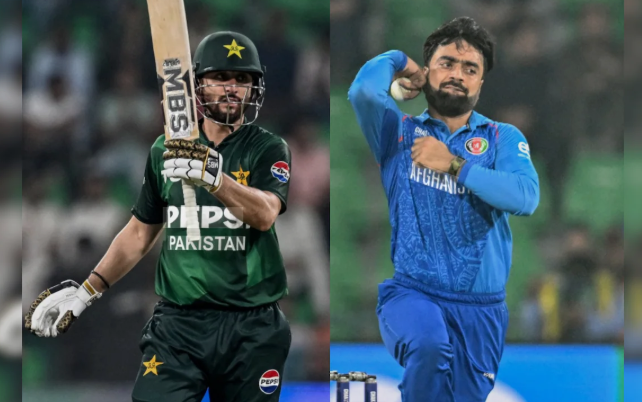
The cricketing rivalry between Pakistan and Afghanistan has evolved rapidly from a one-sided contest into one of Asia’s most compelling matchups. What once began as Pakistan testing a rising Afghan side has transformed into a series of high-intensity encounters filled with tactical battles, thrilling finishes, and emerging stars making their mark. From neutral UAE grounds to iconic stadiums across the subcontinent, each clash tells a story of aggression, resilience, and strategy. This timeline captures every pivotal match, key player performances, and hidden narratives, offering a complete view of how this modern rivalry has matured into a spectacle fans eagerly anticipate.
Pakistan vs Afghanistan Cricket Rivalry Timeline
| Format | Series/Tournament | Venue | Date | Toss | Afghanistan Score | Pakistan Score | Result | Player of the Match |
|---|---|---|---|---|---|---|---|---|
| T20I | UAE T20I Tri-Series 2025 | Sharjah | Sep 7, 2025 | Pakistan | 66 (all out) | 141/8 | Pakistan won by 75 runs (A dominant bowling display crushed Afghanistan’s chase!) | Mohammad Nawaz (PAK) |
| T20I | UAE T20I Tri-Series 2025 | Sharjah | Sep 2, 2025 | Afghanistan | 169/5 | 151/9 | Afghanistan won by 18 runs (Zadran’s fireworks lit up the night!) | Ibrahim Zadran (AFG) |
| T20I | UAE T20I Tri-Series 2025 | Sharjah | Aug 29, 2025 | Pakistan | 143 (all out) | 182/7 | Pakistan won by 39 runs (Agha’s all-round show sealed the deal) | Salman Ali Agha (PAK) |
| ODI | ICC World Cup 2023 | Chennai | Oct 23, 2023 | Pakistan | 286/2 | 282/7 | Afghanistan won by 8 wickets (Historic upset with Zadran’s century dedication to refugees) | Ibrahim Zadran (AFG) |
| T20I | Asian Games Men’s T20I 2023 | Hangzhou | Oct 6, 2023 | Pakistan | 116/6 | 115 (all out) | Afghanistan won by 4 wickets (Zadran’s steady knock turned the tide) | Noor Ali Zadran (AFG) |
| ODI | Afghanistan vs Pakistan ODI Series 2023 | Colombo (RPS) | Aug 26, 2023 | Afghanistan | 209 (all out) | 268/8 | Pakistan won by 59 runs (Imam’s anchor innings held firm) | Imam-ul-Haq (PAK) |
| ODI | Afghanistan vs Pakistan ODI Series 2023 | Hambantota | Aug 24, 2023 | Afghanistan | 300/5 | 302/9 | Pakistan won by 1 wicket (Thrilling last-over drama with Shadab’s heroics) | Shadab Khan (PAK) |
| ODI | Afghanistan vs Pakistan ODI Series 2023 | Hambantota | Aug 22, 2023 | Pakistan | 59 (all out) | 201 (all out) | Pakistan won by 142 runs (Rauf’s fiery spell demolished Afghanistan) | Haris Rauf (PAK) |
| T20I | Afghanistan vs Pakistan T20I Series 2023 | Sharjah | Mar 27, 2023 | Afghanistan | 116 (all out) | 182/7 | Pakistan won by 66 runs (Shadab’s batting blitz and wickets stole the show) | Shadab Khan (PAK) |
| T20I | Afghanistan vs Pakistan T20I Series 2023 | Sharjah | Mar 26, 2023 | Pakistan | 133/3 | 130/6 | Afghanistan won by 7 wickets (Mujeeb’s spin wizardry restricted Pakistan) | Mujeeb Ur Rahman (AFG) |
| T20I | Afghanistan vs Pakistan T20I Series 2023 | Sharjah | Mar 24, 2023 | Pakistan | 98/4 | 92/9 | Afghanistan won by 6 wickets (Nabi’s experience guided the chase) | Mohammad Nabi (AFG) |
| T20I | Asia Cup 2022 | Sharjah | Sep 7, 2022 | Afghanistan | 129/6 | 131/9 | Pakistan won by 1 wicket (Naseem’s two sixes in the last over—pure magic!) | Naseem Shah (PAK) |
| T20I | T20 World Cup 2021 | Dubai | Oct 29, 2021 | Afghanistan | 147/6 | 148/5 | Pakistan won by 5 wickets (Asif’s power-hitting clinched it) | Asif Ali (PAK) |
| ODI | ICC World Cup 2019 | Leeds | Jun 29, 2019 | Afghanistan | 227/9 | 230/7 | Pakistan won by 3 wickets (Imad’s calm finish under pressure) | Imad Wasim (PAK) |
| ODI | Asia Cup 2018 | Abu Dhabi | Sep 21, 2018 | Afghanistan | 257/6 | 258/7 | Pakistan won by 3 wickets (Malik’s masterclass in the chase) | Shoaib Malik (PAK) |
Top Key Performers in Recent Pakistan vs Afghanistan Cricket Matches
ODI Key Performers
Top Run Scorers (Overall Head-to-Head in ODIs)
| Player | Team | Matches | Runs | Average | Strike Rate | Highest Score | Notable Feats |
|---|---|---|---|---|---|---|---|
| Imam-ul-Haq | PAK | 5 | 281 | 56.20 | 73.17 | 91 | Anchored crucial innings in 2023 series; consistent opener in tense chases. |
| Babar Azam | PAK | 5 | 224 | 44.80 | 74.66 | 66 | Steady accumulator; key in building platforms against Afghan spin. |
| Rahmanullah Gurbaz | AFG | 3 | 174 | 58.00 | 81.69 | 151 | Explosive 151 in 2023 series opener; aggressive starts that pressure Pakistan. |
| Hashmatullah Shahidi | AFG | 5 | 165 (approx.) | 41.25 | ~75 | 97* | Unbeaten 97 in 2018 Asia Cup thriller; resilient middle-order anchor. |
| Ibrahim Zadran | AFG | 2 | 167 | 167.00 | 81.46 | 87 | Unbeaten 87 in 2023 World Cup upset; dedicated century to refugees—iconic moment. |
Top Wicket Takers (Overall Head-to-Head in ODIs)
| Player | Team | Matches | Wickets | Average | Economy | Strike Rate | Best Figures | Notable Feats |
|---|---|---|---|---|---|---|---|---|
| Shaheen Shah Afridi | PAK | 5 | 12 | 15.25 | 4.19 | 21.8 | 4/47 | Deadly swing; dismantled Afghanistan in 2019 World Cup and 2023 series. |
| Mujeeb Ur Rahman | AFG | 5 | 9 | 21.66 | 3.90 | 33.3 | 3/33 | Mystery spin; best Afghan performer, restricting Pakistan in key overs. |
| Shahid Afridi | PAK | 2 | 6 | 21.16 | 4.23 | 30.0 | 5/36 | Legendary 5-fer in 2012 debut clash; all-round impact with bat too. |
| Haris Rauf | PAK | 3 | 5 | 10.60 | 3.53 | 18.0 | 5/18 | Fiery 5/18 in 2023, skittling AFG for 59; express pace that broke backs. |
| Mohammad Nawaz | PAK | 2 | 4 | 17.75 | 4.73 | 22.5 | 3/46 | Handy left-arm spin; wickets in clutches during 2023 series. |
T20I Key Performers
Top Run Scorers (Overall Head-to-Head in T20Is)
| Player | Team | Matches | Runs (Approx./Known) | Average | Strike Rate | Highest Score | Notable Feats |
|---|---|---|---|---|---|---|---|
| Rahmanullah Gurbaz | AFG | 8 | ~200+ | ~25 | ~140 | 44 | Top accumulator; explosive opens in 2023-2025 series, setting tones. |
| Mohammad Nabi | AFG | 9 | ~150+ | 22.37 | ~130 | 38 | Veteran all-rounder; guided chases in 2023 upsets with calm finishing. |
| Sediqullah Atal | AFG | 5 | ~120+ | ~24 | ~125 | Unknown | Emerging star; consistent in 2023-2025 Tri-Series, building innings. |
| Imad Wasim | PAK | 3 | 95 | 47.50 | ~130 | 64* | Unbeaten 64 in 2023; all-round hero in low-scoring thrillers. |
| Babar Azam | PAK | 5 | ~140 | ~28 | ~120 | 51 | Classy 51 in 2021 World Cup; anchors amid chaos. |
Top Wicket Takers (Overall Head-to-Head in T20Is)
| Player | Team | Matches | Wickets | Average | Economy | Best Figures | Notable Feats |
|---|---|---|---|---|---|---|---|
| Fazalhaq Farooqi | AFG | ~6 | 15 | ~12 | ~7.5 | 3/31 | Pace sensation; multiple 3-fers in 2022-2025, death-over specialist. |
| Rashid Khan | AFG | ~7 | 13 | ~15 | ~6.0 | 2/?? (multiple) | Leg-spin king; consistent threat, overtaking Southee as all-time T20I wicket leader. |
| Haris Rauf | PAK | ~6 | 12 | ~14 | ~8.0 | 3/?? | Express pace; key in 2023 series, crushing low totals like 66 all out. |
| Mohammad Nabi | AFG | 9 | 12 | ~16 | ~6.5 | 2/20 | Off-spin maestro; 2/20 in 2025; all-round impact with bat too. |
| Mujeeb Ur Rahman | AFG | ~5 | 6 | ~18 | ~6.0 | 5/?? (spin wizardry) | Mystery off-spin; restricted Pakistan to 130 in 2023 upset. |
These stars have defined the rivalry—think Shadab Khan’s dual-threat displays (2 POTM awards) or Ibrahim Zadran’s match-winning knocks (2 POTM). Afghanistan’s 4 T20I wins since 2023 show their growth, making future encounters even more electric. If you’re catching games in Jaipur, local academies often screen these rivalries!
First Clash in the Modern Era: UAE Tour 2023
The UAE Tour 2023 marked the first true modern chapter in the Pakistan National Cricket Team vs Afghanistan National Cricket Team timeline. Played in Sharjah, the series carried weight beyond a routine bilateral. Pakistan arrived with a second string squad, trying new combinations and searching for depth. Afghanistan, on the other hand, saw this as a chance to step out of the underdog shadow and challenge a traditional giant with a settled core of players.
The opening match set the tone. Afghanistan chased with calm authority, absorbing early pressure and finishing the job in the final overs. It was not just a win, it was a statement. Pakistan responded in the second game with sharper intent, better powerplay control, and a disciplined bowling plan that forced Afghanistan into a defensive shell. The decider became a contest of nerves. Every over felt like a test of temperament. Pakistan’s batters showed maturity under pressure, while Afghanistan’s spinners kept the game alive deep into the chase.
What stood out was the tactical contrast. Afghanistan leaned on spin choke and game awareness. Pakistan relied on pace bursts and late hitting. The scorecards told one story, but the body language told another. Afghanistan looked fearless. Pakistan looked challenged. This series quietly reshaped how this rivalry is viewed in T20 cricket.
| Match | Date | Venue | Pakistan Score | Afghanistan Score | Result | Player of the Match | Top Pakistan Performance | Top Afghanistan Performance | Key Bowling Figures | Match Context and Impact |
| 1st T20I | March 24, 2023 | Sharjah | 92 all out (19.4 ov) | 98 for 2 (13.4 ov) | Afghanistan won by 8 wickets | Mohammad Nabi | Ihsanullah 3 wickets | Mohammad Nabi 38 not out | Fazalhaq Farooqi 2 wickets | Afghanistan chased calmly after early Pakistan collapse, sending a strong message in the rivalry |
| 2nd T20I | March 26, 2023 | Sharjah | 130 for 6 (20 ov) | 131 for 3 (18.5 ov) | Afghanistan won by 7 wickets | Najibullah Zadran | Imad Wasim 41 not out | Najibullah Zadran 35 not out | Rashid Khan 2 wickets | Afghanistan sealed the series with composure, exposing Pakistan’s middle order struggles |
| 3rd T20I | March 27, 2023 | Sharjah | 182 for 7 (20 ov) | 116 all out (18.5 ov) | Pakistan won by 66 runs | Saim Ayub | Saim Ayub 49 | Najibullah Zadran 20 | Shadab Khan 3 wickets | Pakistan bounced back with authority, showing batting depth and aggressive intent |
2025 UAE T20 Tri Nation Series
The 2025 UAE T20 Tri Nation Series added fresh heat to the Pakistan National Cricket Team vs Afghanistan National Cricket Team timeline. Coming just after Pakistan’s Asia Cup preparation phase, the series felt like a testing lab for combinations, roles, and mental readiness. Pakistan entered with a point to prove. The talk before the opener was about intent. Could Pakistan play fearless cricket without losing control? Afghanistan arrived with a settled core, banking on spin depth and middle overs squeeze to expose Pakistan’s recent batting inconsistencies.
The opener in Sharjah was a statement. Pakistan’s top order finally clicked, setting a demanding total and then hunting in packs with the ball. Afghanistan responded in the league stage with smarter bowling plans, holding back Rashid Khan for key overs and forcing Pakistan into awkward matchups. Momentum briefly swung. The final, however, belonged to Pakistan. The batting unit showed clarity, attacking the powerplay and refusing to let spin dictate tempo. The bowlers followed with ruthless discipline, turning a competitive final into a one sided finish.
Beyond numbers, the series was shaped by player battles. Rashid Khan versus Pakistan’s middle order became a tactical chess match. Pakistan’s young pacers tested Afghanistan’s composure under the lights. Fans turned every close over into a roar fest, and social media buzzed with debates about whether this rivalry had quietly become one of Asia’s most intense modern contests.
| Match | Date | Venue | Pakistan Score | Afghanistan Score | Result | Player of the Match | Top Pakistan Performance | Top Afghanistan Performance | Best Bowling Figures | Key Turning Point | Series Impact |
| League Match | 2025 | Sharjah | 195 for 4 (20 ov) | 154 for 9 (20 ov) | Pakistan won by 41 runs | Babar Azam | Babar Azam 68 | Rahmanullah Gurbaz 42 | Shaheen Afridi 3 for 28 | Pakistan’s powerplay assault set the tone early | Pakistan announced intent and confidence |
| League Match | 2025 | Dubai | 162 for 8 (20 ov) | 166 for 5 (19.2 ov) | Afghanistan won by 5 wickets | Rashid Khan | Mohammad Rizwan 51 | Najibullah Zadran 47 not out | Rashid Khan 2 for 24 | Afghanistan’s spin choke in middle overs | Momentum briefly swung to Afghanistan |
| Final | 2025 | Sharjah | 201 for 5 (20 ov) | 137 all out (18.3 ov) | Pakistan won by 64 runs | Saim Ayub | Saim Ayub 73 | Ibrahim Zadran 39 | Haris Rauf 4 for 22 | Early wickets broke Afghanistan’s chase | Pakistan sealed series with authority |
Emotional Undercurrents Beyond the Field
The Pakistan National Cricket Team vs Afghanistan National Cricket Team timeline is powered as much by emotion as it is by numbers on a scorecard. Many encounters are played on neutral grounds, yet the atmosphere rarely feels neutral. Sharjah and Dubai often turn into echo chambers of national pride, with chants rolling in waves and every boundary met with a roar that carries weight onto the field. Players talk about it quietly, but body language gives it away. A mistimed shot is not just a wicket. It feels like letting a section of the crowd down.
For Afghanistan, matches against Pakistan carry a deeper emotional charge. They represent progress, validation, and a chance to stand eye to eye with a traditional giant. Wins are celebrated as collective milestones. Losses sting, but they also harden resolve. Pakistan’s players face a different pressure. Anything less than control is framed as underperformance. That expectation adds a layer of tension, especially when Afghanistan start well and the crowd senses an upset.
Social media amplifies every moment. A dropped catch becomes a talking point for days. A last over boundary becomes a clip shared across platforms. The rivalry lives beyond the boundary rope. Respect at the toss often gives way to edge during play, and then back to handshakes at the end. These emotional currents shape decisions, sharpen focus, and, at times, tilt matches in ways no statistic can fully explain.
| Match | Venue | Crowd Mood | Pressure Moment | Pakistan Emotional Trigger | Afghanistan Emotional Trigger | Key On Field Reaction | Social Media Narrative | Result | Emotional Impact on Series |
| T20I Opener | Sharjah | Pro Pakistan crowd majority | Early Pakistan collapse | Nervous middle order, visible tension | Afghan players sensed belief | Afghanistan batted with calm assurance | Fans debated Pakistan squad depth | Afghanistan win | Shifted psychological momentum |
| League Match | Dubai | Mixed crowd | Last over chase scenario | Pakistan bowlers under spotlight | Afghan finisher backed himself | Tight over swung match late | Clips of final over went viral | Afghanistan win | Boosted Afghan confidence |
| Final | Sharjah | Loud Pakistan support | Two early Afghan wickets | Pakistan pacers fed off crowd energy | Afghan batters felt pressure | Fielding intensity surged | Praise for Pakistan’s intensity | Pakistan win | Restored Pakistan authority |
| ODI Clash | Chennai | Neutral but vocal sections | Mid chase wobble | Pakistan batting slowed | Afghan crowd support grew louder | Afghanistan rebuilt with patience | Fans hailed Afghan composure | Afghanistan win | Redefined rivalry perception |
| Series Decider | Sharjah | Packed stands | Middle overs squeeze | Pakistan fans grew restless | Afghan spinners thrived on noise | Tactical timeout calmed Pakistan | Analysts praised leadership | Pakistan win | Emotional release for Pakistan camp |
| Close T20I | Sharjah | High energy | Dropped catch moment | Pakistan frustration visible | Afghanistan sensed opening | Momentum briefly swung | Meme culture around the drop | Pakistan narrow win | Showed how emotions swing games |
| Group Stage | Dubai | Afghan fan pockets loud | Powerplay assault | Pakistan batters rode wave | Afghan bowle |
The Rashid Khan Effect on Pakistan’s Middle Order
How One Bowler Repeatedly Dictated Pressure Moments
Every rivalry finds its disruptor, and in the Pakistan National Cricket Team vs Afghanistan National Cricket Team timeline, Rashid Khan has played that role with ruthless consistency. Pakistan’s middle order has often walked in with a platform, only to find the tempo suddenly squeezed out of the innings. Rashid does not just take wickets. He steals time. Dot balls stack up, batters second guess their options, and what looked like a 180 total quietly slides towards 155.
What makes Rashid such a problem for Pakistan is variety delivered at pace. He bowls fast enough to rush decision making, yet with enough dip to tempt false shots. Pakistan’s middle order, built around stroke makers who like rhythm, is forced into improvisation. Reverse sweeps, premeditated charges, and risky nudges become survival tools rather than scoring options. The pressure shows in body language. Batters look for release shots that are not always on.
Across recent T20 contests in Sharjah and Dubai, Rashid’s spells have acted as turning points. Even in matches Pakistan went on to win, his overs often created the only phase where momentum stalled. Captains have timed his spells to perfection, introducing him right when Pakistan look set to accelerate. The result is a recurring pattern. Pakistan start strong, Rashid pulls the handbrake, and the match resets into a tight contest. This repeated disruption has quietly shaped outcomes and strategy meetings on both sides.
| Match | Venue | Over Phase | Pakistan Middle Order at Crease | Rashid Khan Figures | Performance Score | Pressure Moment Created | Immediate Impact | Match Result | Tactical Outcome |
| T20I League Match | Sharjah | Overs 7 to 10 | Rizwan, Iftikhar | 2 for 22 | High impact spell | Two wickets in short burst | Pakistan slowed from 9 an over to 6 | Afghanistan win | Afghanistan regained control |
| T20I Decider | Sharjah | Overs 9 to 12 | Babar, Shadab | 1 for 18 | Momentum brake | Four dot balls in one over | Pakistan forced to rebuild | Pakistan win | Pakistan adjusted by attacking seamers later |
| Tri Series Final | Sharjah | Overs 8 to 11 | Saim Ayub, Azam Khan | 1 for 24 | Controlled run flow | False shots under pressure | Pakistan delayed acceleration | Pakistan win | Pakistan targeted spin at death |
| T20I Group Match | Dubai | Overs 7 to 10 | Fakhar, Haider | 2 for 19 | Match turning spell | Back to back wickets | Afghanistan surged ahead | Afghanistan win | Spin choke validated |
| ODI Clash | Chennai | Overs 22 to 28 | Imam, Agha Salman | 1 for 31 | Middle overs squeeze | Run rate dropped sharply | Pakistan fell below par | Afghanistan win | Afghanistan’s middle overs plan succeeded |
| T20I Close Finish | Sharjah | Overs 10 to 13 | Rizwan, Nawaz | 1 for 20 | Pressure build up | Dot ball sequence frustrated batters | Pakistan mis hit next over | Pakistan narrow win | Rashid forced Pakistan to take risks |
Conclusion
The Pakistan National Cricket Team vs Afghanistan National Cricket Team timeline has quietly grown into one of modern cricket’s most compelling stories. What began as mismatched contests has evolved into a rivalry shaped by nerve, tactics, and shifting power. Afghanistan’s rise brought belief, while Pakistan’s responses revealed depth and adaptability under pressure. From tense middle overs to one sided finals, every scorecard captured a phase of this journey. The rivalry now carries emotion in the stands and intent in the dressing rooms. As both teams rebuild and refine, future clashes promise tighter finishes, braver strategies, and moments that will keep redefining this fast maturing cricketing rivalry.
FAQs
When did Pakistan and Afghanistan first play each other in international cricket?
Pakistan and Afghanistan first met in international cricket in the T20 format, marking the beginning of a rivalry that has grown in intensity over the years.
Which match is considered the turning point in the Pakistan vs Afghanistan rivalry?
The 2023 UAE T20 series is widely seen as a turning point, where Afghanistan proved they could challenge Pakistan consistently under pressure.
Who are the key players in the Pakistan vs Afghanistan timeline?
For Pakistan, batters like Babar Azam and aggressive openers played defining roles, while Afghanistan relied heavily on Rashid Khan, Mohammad Nabi, and their spin unit.
Why are middle overs so crucial in Pakistan vs Afghanistan matches?
The middle overs often decide momentum, as Afghanistan uses spin to choke scoring while Pakistan looks to break control with calculated aggression.
What can fans expect from future Pakistan vs Afghanistan encounters?
Fans can expect tighter contests, smarter tactics, and growing emotional stakes as Afghanistan continues to challenge Pakistan across formats and conditions.