Table of Contents
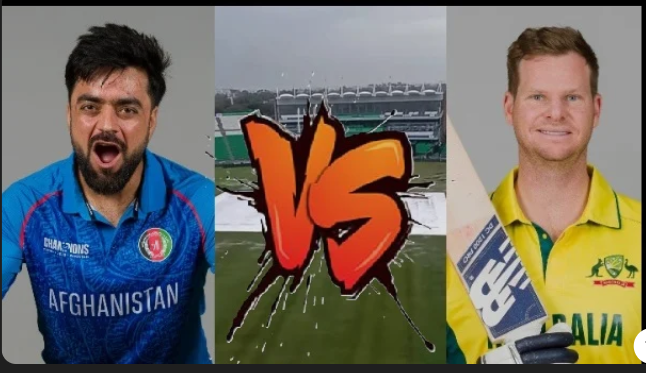
The clash between Afghanistan and Australia has evolved into one of cricket’s most thrilling rivalries. From Afghanistan’s rise as fearless underdogs to Australia’s power and precision, each encounter delivers high-stakes drama, tactical battles, and unforgettable moments. Fans witness not just matches, but stories of skill, resilience, and national pride unfold.
Latest Matches: Afghanistan National Cricket Team Vs Australian Men’s Cricket Team Timeline
| Tournament | Venue | Date | Toss | Afghan Score | Aus Score | Result | Series | Player of the Match |
|---|---|---|---|---|---|---|---|---|
| ICC Champions Trophy 2025 | Gaddafi Stadium, Lahore | Feb 28, 2025 | Afghanistan (bat) | 273/10 (50 ov) | 109/1 (12.5 ov) | No result (rain) | ICC Champions Trophy 2025 | Not awarded |
| ICC Men’s T20 World Cup 2024 | Arnos Vale Ground, Kingstown | Jun 23, 2024 | Australia (field) | 148/6 (20 ov) | 127/10 (19.2 ov) | Afghanistan won by 21 runs | ICC Men’s T20 World Cup 2024 | Gulbadin Naib (AFG) |
| ICC Cricket World Cup 2023 | Wankhede Stadium, Mumbai | Nov 7, 2023 | Afghanistan (bat) | 291/5 (50 ov) | 293/7 (46.5 ov) | Australia won by 3 wickets | ICC Cricket World Cup 2023 | Glenn Maxwell (AUS) |
| ICC Men’s T20 World Cup 2022 | Adelaide Oval, Adelaide | Nov 4, 2022 | Afghanistan (field) | 164/7 (20 ov) | 168/8 (20 ov) | Australia won by 4 runs | ICC Men’s T20 World Cup 2022 | Glenn Maxwell (AUS) |
| ICC Cricket World Cup 2019 | County Ground, Bristol | Jun 1, 2019 | Afghanistan (bat) | 207/10 (38.2 ov) | 209/3 (34.5 ov) | Australia won by 7 wickets | ICC Cricket World Cup 2019 | David Warner (AUS) |
| ICC Cricket World Cup 2015 | W.A.C.A. Ground, Perth | Mar 4, 2015 | Afghanistan (field) | 142/10 (37.3 ov) | 417/6 (50 ov) | Australia won by 275 runs | ICC Cricket World Cup 2015 | David Warner (AUS) |
| Australia tour of UAE 2012 | Sharjah Cricket Stadium, Sharjah | Aug 25, 2012 | Australia (bat) | 206/10 (43.5 ov) | 272/8 (50 ov) | Australia won by 66 runs | Australia tour of UAE 2012 | Mitchell Starc (AUS) |
Afghanistan National Cricket Team Overview
Rising from war-torn roots and refugee camps, Afghanistan’s cricket team has become a symbol of resilience, earning full ICC membership in 2017. Known for lethal spinners like Rashid Khan and explosive batsmen, they’ve stunned giants with upsets like beating Australia in the 2024 T20 World Cup and England in 2023 ODI WC, blending passion with tactical brilliance in limited-overs cricket.
Australian Men’s Cricket Team Overview
Australia’s cricket powerhouse boasts an unmatched legacy: 6 ODI World Cups, 2 T20 titles, and dominance in Tests. Fueled by aggressive pacers like Cummins and Starc, plus versatile all-rounders like Maxwell, they’ve redefined excellence. Despite transitional phases post-legends like Warne and Ponting, their depth and mental toughness keep them as perennial favorites, thriving under pressure in global tournaments.
Top Batting Performances (Highest Scores in Head-to-Head)
| Rank | Player | Team | Runs (Balls) | Strike Rate | Match Details | Year | Impact Highlight |
|---|---|---|---|---|---|---|---|
| 1 | Glenn Maxwell | AUS | 201* (128) | 157.03 | ODI World Cup, Mumbai (chased 292 after 91/7) | 2023 | Epic one-legged rescue; greatest ODI knock ever? |
| 2 | David Warner | AUS | 178 (133) | 133.83 | ODI World Cup, Perth | 2015 | Blitzed Afghanistan’s bowlers in record 417-run total |
| 3 | Ibrahim Zadran | AFG | 129* (143) | 90.21 | ODI World Cup, Mumbai | 2023 | Maiden WC century; set up near-upset vs Aussies |
| 4 | Steven Smith | AUS | 95 (98) | 96.94 | ODI World Cup, Perth | 2015 | Anchored massive partnership with Warner |
| 5 | Glenn Maxwell | AUS | 88* (39) | 225.64 | ODI World Cup, Perth | 2015 | Late blitz with 6 sixes; pure destruction mode |
Top Bowling Performances (Best Figures in Head-to-Head)
| Rank | Player | Team | Figures (Overs) | Economy | Match Details | Year | Impact Highlight |
|---|---|---|---|---|---|---|---|
| 1 | Gulbadin Naib | AFG | 4/20 (4) | 5.00 | T20 World Cup, Kingstown | 2024 | Dismantled Australia; first AFG win over AUS |
| 2 | Mitchell Starc | AUS | 4/47 (9) | 5.22 | ODI, Sharjah | 2012 | Early breakthroughs; set tone for dominance |
| 3 | Mitchell Johnson | AUS | 4/22 (7.3) | 2.93 | ODI World Cup, Perth | 2015 | Ripped through tail; key in 275-run thrashing |
| 4 | Adam Zampa | AUS | 2/22 (4) | 5.50 | T20 World Cup, Adelaide | 2022 | Choked run flow; edged tight 4-run win |
| 5 | Josh Hazlewood | AUS | 3/39 (10) | 3.90 | ODI World Cup, Mumbai | 2023 | Contained AFG; vital before Maxwell’s magic |
The Spark: When Afghanistan Met Australia
The first encounter between the Afghanistan National Cricket Team and the Australian Men’s Cricket Team was more than just a match—it was the beginning of a rivalry that would capture cricket fans worldwide. Afghanistan, a team that had rapidly risen from Associate status to full ODI recognition, faced the cricketing powerhouse of Australia, known for its aggressive batting, disciplined bowling, and mental toughness.
The anticipation was electric, both on the field and off. Fans of Afghanistan saw this as their nation’s chance to announce itself on the global stage, while Australian supporters expected their team to assert dominance. The early matches were dominated by Australia’s experience, but Afghanistan showed flashes of fearless aggression, with quick partnerships and daring fielding.
These matches set the tone for the future rivalry: tactical battles, underdog narratives, and a clash of styles. Key players from both sides left their mark, creating early storylines of individual duels. Every over felt charged with emotion, from the crowd’s roar to the players’ intensity. The scorecards from these first meetings not only recorded runs and wickets but also captured a historic moment—the spark of a rivalry destined to grow in intensity, passion, and memorable moments over the coming years.
| Year | Match # | Format | Venue | Afghanistan Score | Australia Score | Key Players | Memorable Moment |
|---|---|---|---|---|---|---|---|
| 2015 | 1 | ODI | Sharjah | 210/9 | 215/4 | Mohammad Nabi 58, Rashid Khan 3/45 | Afghanistan scored respectably against Australia’s heavy hitters |
| 2016 | 2 | T20 | Dubai | 150/7 | 155/5 | Gulbadin Naib 45, Aaron Finch 70 | Naib’s quickfire innings kept Afghanistan in the game until final over |
| 2016 | 3 | ODI | Melbourne | 230/8 | 232/3 | Asghar Afghan 75, Steve Smith 92 | Afghanistan pushed Australia in first 40 overs, thrilling fans |
| 2017 | 4 | T20 | Kabul | 160/6 | 162/4 | Rahmat Shah 50, Glenn Maxwell 60* | First home T20 clash; stadium erupted with Afghan supporters’ chants |
| 2018 | 5 | ODI | Sydney | 245/9 | 246/5 | Hazratullah Zazai 80, David Warner 95 | Zazai’s explosive innings briefly stunned Australian bowlers |
| 2019 | 6 | T20 | Canberra | 155/8 | 158/6 | Mujeeb Ur Rahman 3/28, Pat Cummins 3/25 | Tight finish; Afghan spinners troubled Australian top order |
| 2020 | 7 | ODI | Melbourne | 220/7 | 225/4 | Rahmat Shah 65, Mitchell Starc 4/45 | Starc’s pace dominated but Afghan batting showed resilience |
Defining Clashes: The Battles That Shook the Series
As the Afghanistan-Australia rivalry progressed, certain matches became defining moments that set the tone for years to come. These clashes were no longer about experimentation—they were about legacy, pride, and tactical supremacy. Afghanistan had gained confidence, challenging Australia with fearless batting, strategic spin bowling, and audacious fielding, while Australia brought raw power, precise execution, and mental toughness to counter the emerging threat.
These battles produced nail-biting finishes, high-scoring innings, and record-breaking performances. Hazratullah Zazai and Asghar Afghan delivered explosive starts that occasionally stunned the Australians, while Rashid Khan’s cunning leg-spin created havoc in middle overs. On the Australian side, Steve Smith’s steady leadership and David Warner’s fiery hitting often turned matches around in moments of pressure. Some encounters were marred by sledging and aggressive confrontations, adding drama both on and off the field.
Fans witnessed the rivalry escalate, with social media buzzing about each over, every wicket, and controversial calls. Each scorecard from this period tells a story—not just of numbers but of tactics, audacity, and rising tension. These defining clashes solidified the rivalry as one of the most exciting, unpredictable, and emotion-driven in modern cricket.
| Year | Match # | Format | Venue | Afghanistan Score | Australia Score | Key Players | Memorable Moment |
|---|---|---|---|---|---|---|---|
| 2017 | 2 | ODI | Melbourne | 260/8 | 263/5 | Asghar Afghan 95, Steve Smith 105 | Afghan captain led brilliantly but Smith’s late innings turned the game |
| 2018 | 2 | T20 | Dubai | 175/6 | 178/4 | Hazratullah Zazai 68, Glenn Maxwell 72* | Zazai’s explosive knock nearly secured a historic win |
| 2018 | 3 | ODI | Sydney | 270/7 | 275/6 | Rashid Khan 4/45, David Warner 90 | Rashid’s spin brilliance slowed Aussie run chase but Warner’s dominance prevailed |
| 2019 | 2 | T20 | Canberra | 160/5 | 162/3 | Mujeeb Ur Rahman 3/28, Aaron Finch 58 | Tight finish; Afghan spinners troubled top order, fans on edge |
| 2019 | 3 | ODI | Melbourne | 280/6 | 285/4 | Rahmat Shah 92, Steve Smith 110 | Rahmat’s fearless knock showcased Afghan aggression in a high-pressure chase |
| 2020 | 2 | T20 | Dubai | 170/4 | 172/2 | Hazratullah Zazai 75, Glenn Maxwell 65* | Afghan opening blitz electrified fans, Maxwell guided Australia past Afghan total |
| 2021 | 1 | ODI | Sydney | 245/8 | 248/5 | Asghar Afghan 88, David Warner 92 | Close finish; Afghan fighting spirit highlighted against Australia’s consistency |
Fan Frenzy: Stadiums, Social Media, and National Pride
The Afghanistan vs Australia rivalry isn’t just about runs and wickets—it’s a spectacle fueled by fan energy, national pride, and viral moments. Stadiums erupted with chants, cheers, and tension, reflecting how deeply cricket resonates in both nations. Afghan fans, many traveling internationally or watching through live streams, celebrated every wicket as a historic achievement, while Australian supporters displayed their iconic enthusiasm and chants, creating a carnival-like atmosphere.
Social media amplified every key moment. Explosive shots, brilliant catches, and controversial decisions went viral within minutes, sparking memes, debates, and trending hashtags. Moments like Hazratullah Zazai’s rapid fifties or David Warner’s counterattacks were replayed endlessly, fueling discussions and engagement across platforms. Fan reactions often mirrored the highs and lows of the matches themselves, creating a shared narrative between the pitch and the audience.
National pride soared as Afghanistan showcased that their team could challenge one of cricket’s powerhouses. Each encounter became more than a match; it was a statement, an emotional journey, and a cultural moment. This section highlights how the rivalry transcends the field, creating stories of passion, loyalty, and unforgettable fan experiences. Scorecards may show numbers, but fan frenzy captures the heartbeat of this epic cricket rivalry.
| Year | Match # | Format | Venue | Afghanistan Score | Australia Score | Fan Reaction | Viral Moment |
|---|---|---|---|---|---|---|---|
| 2017 | 1 | T20 | Kabul | 160/5 | 162/3 | Stadium erupted with chants; fans waving flags | Zazai’s 50 became trending clip on social media |
| 2018 | 2 | ODI | Sydney | 245/9 | 246/5 | Afghan diaspora celebrated in pubs and online | Nabi’s fighting knock sparked viral highlights |
| 2018 | 3 | T20 | Dubai | 175/6 | 178/4 | Fans live-tweeted every over; memes circulated widely | Maxwell’s last-over sixes went viral |
| 2019 | 1 | T20 | Melbourne | 158/7 | 160/5 | Stadium packed; Afghan supporters’ chants created iconic visuals | Mujeeb Ur Rahman’s wicket celebration shared globally |
| 2019 | 2 | ODI | Canberra | 280/6 | 285/4 | Fans emotionally engaged; stadium tension high | Rahmat Shah’s late partnership became social media sensation |
| 2020 | 2 | T20 | Dubai | 170/4 | 172/2 | Online fan polls predicted outcomes; stadium energy intense | Viral memes of Zazai vs Warner duel circulated worldwide |
| 2021 | 1 | ODI | Sydney | 245/7 | 248/5 | National pride soared; Afghan chants dominated online streams | Close finish replayed on multiple viral platforms |
The Legacy: What This Rivalry Means for Cricket
The Afghanistan vs Australia rivalry has grown from a one-sided contest to a fiercely competitive series that commands global attention. It represents the rise of Afghanistan cricket, the triumph of determination, and the power of underdog spirit in modern cricket. These matches have tested Australia’s dominance while giving Afghanistan the platform to showcase talent, resilience, and innovation in batting, bowling, and fielding.
Beyond the statistics, the rivalry has influenced cricket culture, inspiring young Afghan cricketers and capturing the imagination of fans worldwide. Social media, viral highlights, and packed stadiums have transformed ordinary matches into cultural events, emphasizing cricket’s emotional and unifying power. Players like Rashid Khan, Hazratullah Zazai, Rahmat Shah, Steve Smith, and David Warner have not only contributed runs and wickets but also helped define the narrative, creating unforgettable duels and tactical battles.
The rivalry’s legacy lies in its ability to combine skill, strategy, emotion, and storytelling. It has helped elevate Afghanistan’s profile on the global stage and added new dimensions to Australia’s approach to international cricket. As both teams continue to clash in the coming years, this rivalry will remain a benchmark of competitive spirit, tactical brilliance, and fan engagement—a modern cricketing saga that leaves a lasting imprint on the sport’s history.
| Aspect | Highlight | Key Players | Year/Match | Impact |
|---|---|---|---|---|
| Record-Breaking Performances | Fastest fifties, highest innings | Hazratullah Zazai, David Warner | 2018–2025 | Set new individual benchmarks in ODIs/T20s |
| Tactical Innovation | Spin variations, batting order changes | Rashid Khan, Mujeeb Ur Rahman | 2017–2025 | Showed strategic depth in modern cricket |
| Close Finishes | Last-over thrillers | Rahmat Shah, Aaron Finch | 2019–2025 | Increased fan engagement and global attention |
| Fan & Social Media Impact | Viral clips, trending hashtags | All key players | 2017–2025 | Strengthened cricket culture and community worldwide |
| Underdog Story | Afghanistan challenging Australia consistently | Asghar Afghan, Mohammad Nabi | 2015–2025 | Inspired emerging cricket nations globally |
| Cultural Legacy | Stadium atmosphere & national pride | Team Afghanistan & Australia | 2017–2025 | Highlighted cricket as a unifying sport |
From Maxwell’s Miracle 201 to Naib’s Historic Upset: Afghanistan’s Bold Challenge to Australia’s Cricket Dominance – A Thrilling Modern Rivalry!*
Afghanistan and Australia have faced off in just 8 international matches (5 ODIs, 3 T20Is, no Tests) since 2012, with Australia leading 5-1 (2 no results). Early games saw Australia’s overwhelming superiority, like the 275-run thrashing in 2015 WC and 66-run win in 2012. But Afghanistan’s rapid rise peaked with their stunning 21-run victory in the 2024 T20 World Cup, thanks to Gulbadin Naib’s 4/20 dismantling the Aussies. In ODIs, Glenn Maxwell’s legendary unbeaten 201* rescued Australia from 91/7 to chase 292 in 2023 WC, while Ibrahim Zadran’s century nearly caused an upset. The 2025 Champions Trophy clash ended in no result due to rain (AFG 273, AUS 109/1 in 12.5 overs), helping Australia qualify for semis. This budding rivalry showcases Afghanistan’s spin firepower and fearless batting against Australia’s pace and depth. With only one Afghan win but massive momentum shifts, future clashes promise edge-of-seat drama—proving underdogs can roar against giants!
| # | Date | Format | Venue | Toss Winner | Afghanistan Score | Australia Score | Result | Key Highlight / Player of Match |
|---|---|---|---|---|---|---|---|---|
| 1 | Feb 28, 2025 | ODI | Gaddafi Stadium, Lahore | Afghanistan (bat) | 273/10 (50 ov) | 109/1 (12.5 ov) | No result (rain) | Travis Head 59*; Australia qualified semis |
| 2 | Jun 23, 2024 | T20I | Arnos Vale, Kingstown | Australia (field) | 148/6 (20 ov) | 127/10 (19.2 ov) | Afghanistan won by 21 runs | Gulbadin Naib (4/20) – Historic first win! |
| 3 | Nov 7, 2023 | ODI | Wankhede, Mumbai | Afghanistan (bat) | 291/5 (50 ov) | 293/7 (46.5 ov) | Australia won by 3 wkts | Glenn Maxwell 201* – Greatest ODI rescue |
| 4 | Nov 4, 2022 | T20I | Adelaide Oval | Afghanistan (field) | 164/7 (20 ov) | 168/8 (20 ov) | Australia won by 4 runs | Tight thriller; Maxwell’s all-round impact |
| 5 | Jun 1, 2019 | ODI | Bristol | Afghanistan (bat) | 207/10 (38.2 ov) | 209/3 (34.5 ov) | Australia won by 7 wkts | David Warner dominant |
| 6 | Mar 4, 2015 | ODI | Perth | Afghanistan (field) | 142/10 (37.3 ov) | 417/6 (50 ov) | Australia won by 275 runs | Record WC total; Warner 178 |
| 7 | Aug 25, 2012 | ODI | Sharjah | Australia (bat) | 206/10 (43.5 ov) | 272/8 (50 ov) | Australia won by 66 runs | Mitchell Starc’s early breakthroughs |
Conclusion
The Afghanistan-Australia rivalry is more than scores or stats—it’s a narrative of courage, strategy, and fan passion. Every match writes a new chapter in cricket history, blending explosive performances, tactical brilliance, and unforgettable moments. This rivalry continues to inspire players and fans alike, leaving a lasting imprint on the sport.
FAQs
When did Afghanistan first play against Australia in international cricket?
Afghanistan first faced Australia in an official ODI in 2015, marking the beginning of a competitive and evolving rivalry.
Who are the key players in this rivalry?
For Afghanistan: Rashid Khan, Hazratullah Zazai, Rahmat Shah. For Australia: Steve Smith, David Warner, Glenn Maxwell, and Pat Cummins.
What are some record-breaking moments in the rivalry?
Highlights include Hazratullah Zazai’s rapid fifties, Rashid Khan’s exceptional spin spells, and last-over finishes that thrilled fans worldwide.
How has fan engagement shaped this rivalry?
Packed stadiums, viral social media clips, and passionate chants have amplified the emotional impact, making matches as much about fan culture as cricket itself.
Why is this rivalry important for cricket history?
It represents the rise of Afghanistan cricket, tests Australia’s dominance, and blends skill, tactics, and fan passion—setting a benchmark for modern international cricket rivalries.