Table of Contents
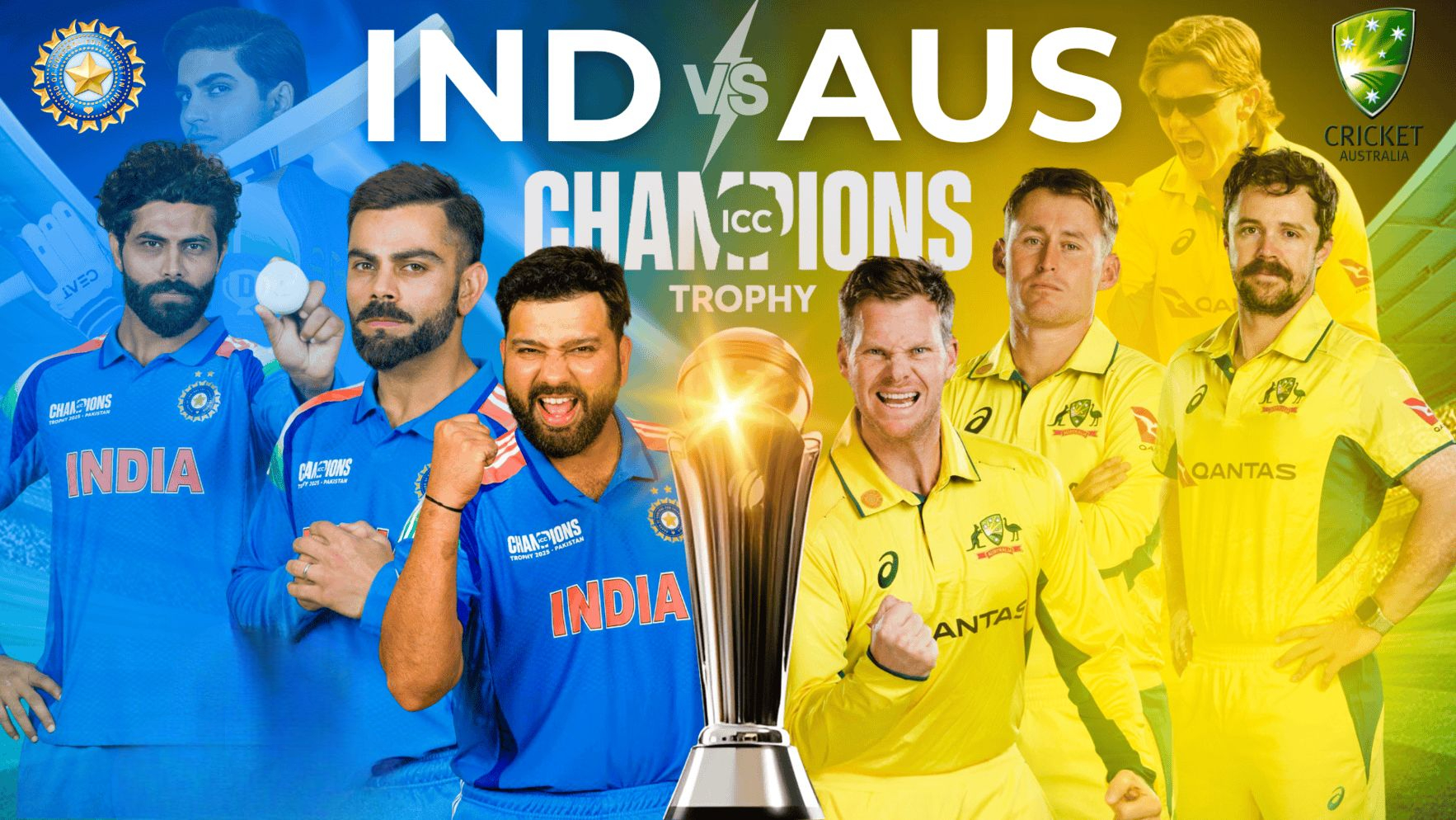
The Australia vs India cricket rivalry is one of the fiercest and most captivating battles in modern sport. What began as a one-sided affair in the late 1940s has evolved into a multi-format war that grips billions, blending raw aggression, tactical brilliance, and unbearable pressure moments. From Bradman’s dominance to Kohli’s fire, from Eden Gardens miracles to Gabba heroics, every clash carries history, emotion, and national pride. Fans live for the sledging, the comebacks, the heartbreaks—whether it’s a World Cup final collapse or a Test series reclaimed Down Under. This is more than cricket; it’s a saga of pride, passion, and relentless pursuit of supremacy that keeps the world watching.
Recent Matches: Australian Men’s Cricket Team vs India National Cricket Team Timeline
| Tournament | Venue | Date | Toss (Winner & Decision) | Australia Score | India Score | Result | Series | Player of the Match |
|---|---|---|---|---|---|---|---|---|
| Bilateral T20I | The Gabba, Brisbane | Nov 8, 2025 | Australia elected to field | No innings | 52/0 (4.5 overs) | No Result (rain) | India tour of Aus T20Is | None (abandoned) |
| Bilateral T20I | Carrara Stadium, Gold Coast | Nov 6, 2025 | Australia elected to field | 119 all out (18.2 overs) | 167/8 (20 overs) | India won by 48 runs | India tour of Aus T20Is | Axar Patel (Ind) |
| Bilateral T20I | Bellerive Oval, Hobart | Nov 2, 2025 | India elected to field | 186/6 (20 overs) | 188/5 (18.3 overs) | India won by 5 wickets | India tour of Aus T20Is | Arshdeep Singh (Ind) |
| Bilateral T20I | MCG, Melbourne | Oct 31, 2025 | Australia elected to field | 126/6 (13.2 overs) | 125 all out (18.4 overs) | Australia won by 4 wickets | India tour of Aus T20Is | Josh Hazlewood (Aus) |
| Bilateral T20I | Manuka Oval, Canberra | Oct 29, 2025 | Australia elected to field | No innings | 97/1 (9.4 overs) | No Result (rain) | India tour of Aus T20Is | None (abandoned) |
| Bilateral ODI | SCG, Sydney | Oct 25, 2025 | Australia elected to bat | 236 all out (46.4 overs) | 237/1 (38.3 overs) | India won by 9 wickets | India tour of Aus ODIs | Rohit Sharma (Ind) |
| Bilateral ODI | Adelaide Oval, Adelaide | Oct 23, 2025 | Australia elected to field | 265/8 (46.2 overs) | 264/9 (50 overs) | Australia won by 2 wickets | India tour of Aus ODIs | Adam Zampa (Aus) |
| Bilateral ODI | Perth Stadium, Perth | Oct 19, 2025 | Australia elected to field | 131/3 (21.1 overs) DLS target | 136/9 (26 overs) | Australia won by 7 wickets (DLS) | India tour of Aus ODIs | Mitchell Marsh (Aus) |
| Border-Gavaskar Trophy | SCG, Sydney | Jan 3-5, 2025 | (Toss details: Australia field first) | Low 2nd inns chase | Collapsed in 2nd inns | Australia won by 6 wickets | Border-Gavaskar 2024-25 | (Series standout: Bumrah) |
| Border-Gavaskar Trophy | MCG, Melbourne | Dec 26-30, 2024 | (Toss: India bat) | Strong totals | Collapse in chase | Australia won by 184 runs | Border-Gavaskar 2024-25 | Travis Head / Lyon |
| Border-Gavaskar Trophy | Gabba, Brisbane | Dec 2024 | (Toss varied) | Solid batting | Resilient defense | Match Drawn | Border-Gavaskar 2024-25 | (Gritty fight on both sides) |
| Border-Gavaskar Trophy | Adelaide Oval, Adelaide | Dec 2024 (D/N) | (Toss: Pink ball swing) | Quick chase | Collapsed twice | Australia won by 10 wickets | Border-Gavaskar 2024-25 | Pat Cummins / Starc |
| Border-Gavaskar Trophy | Optus Stadium, Perth | Nov 22-25, 2024 | (Toss: India bat) | 104 & follow-on | 487/6d & more | India won by 295 runs | Border-Gavaskar 2024-25 | Jasprit Bumrah (Ind) |
Australian Men’s Cricket Team vs India National Cricket Team Stats
| Category | Details |
|---|---|
| Total Matches Played | 304+ (across Test, ODI, T20I) |
| Australia Wins | Higher overall (146 wins) |
| India Wins | Competitive (114 wins) |
| Draws/No Results/Ties | 44 |
| Highest Team Total | India 705/7d (Test, Sydney 2004) |
| Lowest Team Total | India 36 all out (Test, Adelaide 2020) |
| Super Over Matches | Multiple in T20Is and ODIs |
| First Match | Test: 1947 (Australia won by innings & 226 runs) |
Key Player Analysis: Australian Men’s Cricket Team vs India National Cricket Team
| Player | Team | Format Focus | Key Stats (vs Opponent) | Notable Achievements & Impact |
|---|---|---|---|---|
| Sachin Tendulkar | India | All (esp. Tests/ODIs) | Tests: 3,630+ runs (highest); ODIs: High runs | The Little Master dominated with consistency; multiple centuries shaped India’s fightback era |
| Virat Kohli | India | All | ODIs: 2,451+ runs @ ~54 avg; Tests: Strong away | Aggressive intent revolutionized India; key in 2018-19 & 2020-21 series wins in Australia |
| Rohit Sharma | India | ODIs/T20Is | 2025 ODIs: 202 runs @ 101 avg; T20Is consistent | Captaincy & big hundreds in chases; 2025 white-ball tour star |
| Jasprit Bumrah | India | Tests/All | 2024-25 Tests: 32 wickets; Series standout | Pace revolution abroad; broke Australia’s home fortress; lethal in pressure moments |
| Ravichandran Ashwin | India | Tests | High wickets (esp. home); 25+ in series | Spin wizard at home; tactical master in subcontinent battles |
| Steve Smith | Australia | Tests | High runs vs India; Consistent centuries | Modern great; resilient against spin; key in comebacks |
| Pat Cummins | Australia | All | 2024-25 Tests: 25 wickets; Leadership | Captain’s all-round impact; pace spearhead in reclaiming BGT 2024-25 |
| Travis Head | Australia | Tests/ODIs | 2023 WC Final: 137; Aggressive knocks | Counter-attacker; match-winner in finals & high-pressure chases |
| Nathan Lyon | Australia | Tests | 121+ wickets (highest vs India) | Off-spin king; tormented Indian batting on turning tracks |
| Abhishek Sharma | India | T20Is | 2025 T20Is: 163 runs @ high SR | Explosive opener; six-hitting dominance; youth injection in shorter formats |
India – Overview
India, the world’s largest democracy and second-most populous nation (1.44 billion people), spans South Asia with diverse landscapes from Himalayan peaks to tropical coasts. A vibrant mix of ancient heritage, Bollywood glamour, tech innovation, and cricket passion, it boasts a fast-growing economy, rich cultural tapestry, and global influence as a rising superpower.
Australia – Overview
Australia, the world’s sixth-largest country and only island continent, boasts vast deserts, stunning coastlines, and vibrant cities like Sydney and Melbourne. Home to 27 million people, it blends laid-back culture, world-class sports (especially cricket), unique wildlife, and a strong economy driven by mining, education, and tourism. A multicultural democracy known for its beaches, Outback adventures, and sporting passion.
The Dawn of Battle: First Encounters and Early Dominance (1947–1970s)
When India stepped onto Australian soil in late 1947, the nation was barely months into independence, and its cricket team carried the weight of proving itself on the global stage. The first Test at Brisbane in November-December 1947 set a brutal tone. Australia, led by Don Bradman in his farewell series, posted 382/8 declared, with Bradman smashing 185. India collapsed to 58 all out in the first innings—bowled out in just 21.3 overs—and followed on, managing only 98 in the second. Australia won by an innings and 226 runs, a humiliating margin that highlighted the gulf in experience and skill. Ray Lindwall and Ernie Toshack tore through the batting, while India’s spinners like Vinoo Mankad and Lala Amarnath offered glimpses of fight but little resistance.
The 1947-48 series ended 4-0 to Australia (one draw), with Bradman amassing 715 runs at a staggering average. India struggled against Australia’s pace and disciplined bowling on bouncy pitches.
Through the 1950s and 1960s, the pattern held. In 1956-57 (Australia in India), Australia won 2-0 with one draw. The 1959-60 home series saw India claim their first Test win against Australia at Kanpur (by 119 runs), a breakthrough thanks to Jasu Patel’s 9/69 in the second innings spin masterclass. Yet Australia took the series 2-1.
The 1960s brought more pain: Australia whitewashed India 4-0 in 1967-68 Down Under, and in 1969-70 at home, India managed one win but lost the series 3-1.
By the end of the 1970s, Australia maintained dominance in head-to-head Tests, winning most encounters convincingly. India’s rare victories sparked hope, but the stats told a story of Australian superiority on pace-friendly tracks and tactical edge.
| Period/Series | Matches Played | Australia Wins | India Wins | Draws | Key Notes/Analysis |
|---|---|---|---|---|---|
| 1947-48 (in Aus) | 5 | 4 | 0 | 1 | Bradman 715 runs; India collapses common |
| 1956-57 (in Ind) | 3 | 2 | 0 | 1 | Australia strong batting line-up |
| 1959-60 (in Ind) | 5 | 2 | 1 | 2 | India’s first Test win (Kanpur) |
| 1964-65 (in Ind) | 3 | 1 | 1 | 1 | Balanced but Australia edged |
| 1967-68 (in Aus) | 4 | 4 | 0 | 0 | Total whitewash; pace dominated |
| 1969-70 (in Ind) | 5 | 3 | 1 | 1 | Spin helped India once |
| Overall (up to 1979) | ~25 | ~17 | ~4 | ~6 | Australia ~68% win rate; India learning curve |
Sparks Ignite: The Rise of Intensity in the 1980s and 1990s
The 1980s marked a shift from outright Australian dominance to fiercer competition, as India began matching blows more consistently. The 1980-81 tour Down Under produced the famous “underarm” controversy in ODIs, but in Tests, it ended drawn 1-1. India stunned with a 222-run win in Melbourne, thanks to Kapil Dev’s all-round heroics and Sunil Gavaskar’s resilient batting against Dennis Lillee and Len Pascoe. Australia hit back in Sydney with Greg Chappell’s double century, but India’s fightback signaled growing confidence. Fan passion surged—Indian crowds roared for every boundary, while Australian sledging intensified against the “Little Master” Gavaskar, who stood firm in epic duels with Lillee.
The 1985-86 series in Australia ended 0-0 (all draws), a testament to India’s improving resilience on pace-friendly pitches. Gavaskar amassed 356 runs, proving technique could counter bounce. The tied Test in Chennai 1986-87 became legendary—the second in history—where Greg Matthews’ late heroics and Dean Jones’ brave 210 (despite dehydration) matched India’s chase led by Gavaskar in his 100th straight Test. Tension boiled over with heated exchanges and close calls.
Into the 1990s, rivalry heated up. The 1991-92 series in Australia saw Australia win 4-0, but India’s spinners troubled them. The real spark came in 1996 with the inaugural Border-Gavaskar Trophy—one-off Test in Delhi, won by India. Sachin Tendulkar’s captaincy debut and Anil Kumble’s menace marked India’s rising edge at home. By 1997-98, India took a 2-1 series win, with Tendulkar and Sourav Ganguly shining. These clashes built raw animosity—crowds hostile, players trading barbs—and laid groundwork for explosive future battles.
| Period/Series | Matches Played | Australia Wins | India Wins | Draws | Key Notes/Analysis |
|---|---|---|---|---|---|
| 1980-81 (in Aus) | 3 | 1 | 1 | 1 | Drawn series; India’s upset win in Melbourne highlighted batting fight |
| 1985-86 (in Aus) | 3 | 0 | 0 | 3 | All draws; Gavaskar 356 runs showed technical mastery on bouncy tracks |
| 1986-87 (in Ind) | 3 | 0 | 0 | 2 | 1 tied (Chennai); Jones 210, Matthews 14 wkts; rare tied Test added drama |
| 1991-92 (in Aus) | 5 | 4 | 0 | 1 | Australia dominant; pace attack overwhelmed Indian batting |
| 1996-97 (in Ind) | 1 | 0 | 1 | 0 | First Border-Gavaskar; India win marked shift in home dominance |
| 1997-98 (in Ind) | 3 | 1 | 2 | 0 | India 2-1 win; Tendulkar/Ganguly eras begin, spinners decisive |
| Overall (1980–1999) | ~18 | ~6 | ~4 | ~8 | Draws common; India improved win rate at home, intensity rose sharply |
Controversy and Fire: Monkeygate, Sydney Scandals, and Heated Exchanges (2007–2008)
The 2007-08 Border-Gavaskar Trophy tour exploded into one of cricket’s most toxic chapters, blending brilliant cricket with ugly off-field drama that tested friendships between the teams. Australia entered as world-beaters on a 16-Test win streak, but India, under Anil Kumble’s calm leadership, refused to buckle. The series kicked off in Melbourne with Australia crushing India by 337 runs—Matthew Hayden’s 203 and Ricky Ponting’s aggression overwhelming the visitors.
Sydney’s second Test became infamous as “Monkeygate.” Andrew Symonds smashed an unbeaten 162 (surviving a clear edge on 30 missed by umpires), powering Australia to 463 and later 401/7 declared. India fought back fiercely with Sachin Tendulkar’s 154 not out and a total of 532, but the real storm brewed from a heated exchange between Symonds and Harbhajan Singh. Symonds accused Harbhajan of racial abuse (“monkey”), leading to a Level 3 charge, a three-Test ban, and India threatening to abandon the tour. Appeals, witness testimonies (including Sachin Tendulkar’s), and cultural misunderstandings overturned the ban to a fine. Umpiring blunders—Rahul Dravid’s dubious caught-behind, Sourav Ganguly’s walk after Ponting’s sportsmanlike recall—fueled Anil Kumble’s post-match barb: “Only one team was playing in the spirit of the game.” Crowd hostility and sledging reached fever pitch, turning respect into raw animosity.
India bounced back spectacularly in Perth. Ishant Sharma’s fiery spell rattled Ponting, Irfan Pathan’s swing claimed key wickets, and a gritty chase sealed a 72-run win, snapping Australia’s streak. The Adelaide finale fizzled into a high-scoring draw on a flat track. Australia retained the trophy 2-1, but the series left scars—fan outrage in both nations, player tensions, and questions about sportsmanship that lingered for years.
| Match/Series | Matches Played | Australia Wins | India Wins | Draws | Key Notes/Analysis |
|---|---|---|---|---|---|
| 1st Test (Melbourne) | 1 | 1 | 0 | 0 | Australia 337-run win; Hayden 203 dominant batting display |
| 2nd Test (Sydney) | 1 | 1 | 0 | 0 | Australia 122-run win; Symonds 162*, controversies overshadowed cricket |
| 3rd Test (Perth) | 1 | 0 | 1 | 0 | India 72-run win; Pathan/Ishant heroics broke streak, pace reversal |
| 4th Test (Adelaide) | 1 | 0 | 0 | 1 | High-scoring draw; flat pitch neutralized aggression |
| Overall Series 2007-08 | 4 | 2 | 1 | 1 | Australia 2-1 series win; intensity peaked with scandals, India’s fightback notable |
Modern Warfare: World Cups, WTC Finals, and Format Battles (2019–2023)
The period from 2019 to 2023 turned the Australia-India rivalry into a multi-format battlefield, with high-stakes ICC events amplifying the drama. In the 2019 ODI World Cup league stage at The Oval, India dominated Australia by 36 runs—Rohit Sharma’s 122 and Shikhar Dhawan’s 117 powered 352/5, while Bhuvneshwar Kumar’s swing claimed three wickets in a clinical chase defense. This win boosted India’s campaign, though they fell short later.
The inaugural World Test Championship final in 2021 pitted India against New Zealand (not direct vs Australia), but the cycle set the stage for intense competition. India reached the final but lost by 8 wickets, highlighting vulnerabilities in overseas conditions.
T20Is saw India gain ground, winning several bilateral series and key encounters, leveraging spin and death bowling against Australia’s power-hitters.
The 2023 ODI World Cup final in Ahmedabad delivered heartbreak for India. Hosting an unbeaten run, India posted 240, but Travis Head’s explosive 137 steered Australia to a 6-wicket victory in 43 overs—Mitchell Starc’s early strikes and Pat Cummins’ control sealed Australia’s sixth title. Fans in the packed Narendra Modi Stadium fell silent as dreams shattered.
The pinnacle came in the 2023 WTC final at The Oval: Australia amassed 469 (Travis Head 163), bowled India out for 296 (Rahane 89), declared 270/8, and dismissed India for 234 (Kohli 49) to win by 209 runs. Nathan Lyon’s spin and Cummins’ leadership shone, giving Australia the trophy.
Across formats, evolving tactics—India’s pace dominance abroad, Australia’s resilience in chases—kept the rivalry electric, blending brilliance with pressure-cooker moments.
| Event/Series | Format | Key Matches/Results | Winner | Margin/Details | Standout Performances/Analysis |
|---|---|---|---|---|---|
| 2019 ODI World Cup (League) | ODI | India 352/5 vs Australia 316 (The Oval) | India | India by 36 runs | Rohit 122, Dhawan 117; Bhuvneshwar 3 wkts; High-scoring thriller, India asserted dominance |
| 2019-20 Australia in India | ODI | 3-match series (India won 2-1) | India | 2-1 series win | Shami/Mohammed pace edge; Australia chased one but India controlled series |
| 2020-21 Border-Gavaskar (Aus) | Test | India historic 2-1 series win (Gabba chase) | India | 2-1 (India chased 328 at Gabba) | Pant 89*, Washington Sundar; Broke 32-year fortress; Tactical masterclass under Rahane |
| 2021 WTC Final | Test | India vs New Zealand (not vs Aus) | New Zealand | NZ by 8 wkts | Cycle context; India reached final but lost—set tone for red-ball intensity |
| 2022-23 Border-Gavaskar (Ind) | Test | India 2-1 (Nagpur innings win, Delhi chase) | India | 2-1 series; Ashwin 25 wkts | Spin dominance at home; Head’s counter in Indore; India regained momentum |
| 2023 ODI World Cup Final | ODI | India 240 vs Australia 241/4 (Ahmedabad) | Australia | Australia by 6 wkts | Head 137 (120); Starc 3/55; Kohli 54; Shattered India’s unbeaten run in massive heartbreak |
| 2023 WTC Final | Test | Australia 469 & 270/8d vs India 296 & 234 | Australia | Australia by 209 runs | Head 163; Lyon 4/41; Cummins leadership; Australia claimed maiden WTC title on flat Oval pitch |
| T20I Bilaterals (2019-23) | T20I | Multiple series (India strong at home) | Mixed/India edge | India won key home series; e.g., 4-1 in 2023/24 context | India 22-12 overall T20I lead historically; Spin/death overs edge vs Aus power |
| Overall 2019-2023 Snapshot | All | Tests: India strong home/away breakthroughs; ODIs: Aus WC edge; T20: India superior | Mixed | Aus WTC & WC wins; India BGT series; Formats balanced but high drama | Evolving power: India’s pace/spin vs Aus resilience; Fan emotions peaked in WC/WTC finals |
Recent Clashes and the Pendulum Swing: 2024–2026 Series and Beyond
The rivalry swung back Australia’s way in the 2024-25 Border-Gavaskar Trophy Down Under, as they reclaimed the trophy 3-1 after India’s decade-long dominance. India struck first with a commanding 295-run win in Perth—Jasprit Bumrah’s lethal pace dismantled Australia for 104 after India’s 487/6 declared, with Yashasvi Jaiswal and Virat Kohli building a fortress. But Australia roared back fiercely: a 10-wicket thrashing in the Adelaide day-night Test, where Pat Cummins and Mitchell Starc exploited swing and bounce to bowl India out cheaply twice. The Gabba draw showed resilience, but Australia sealed the series with a 184-run victory in Melbourne—Travis Head’s aggression and Nathan Lyon’s spin proving decisive—and clinched it 6-wicket in Sydney despite Rohit Sharma’s struggles and Bumrah’s heroics earning him player of the series. Fan emotions ran high: Indian supporters lamented batting collapses, while Aussies celebrated ending the drought.
In late 2025, India’s white-ball tour brought mixed fortunes. Australia edged the ODIs 2-1, with tight chases and rain interruptions, but India flipped the script in T20Is, winning 2-1 (one no-result) through explosive batting from Abhishek Sharma and Suryakumar Yadav, plus death-over mastery. These clashes highlighted tactical shifts—Australia’s pace depth reclaiming home fortress status in Tests, India’s spin and youth shining in shorter formats. As 2026 looms with potential women’s series and more bilaterals, the pendulum keeps oscillating, fueled by intense player battles, crowd fervor, and evolving strategies in all formats.
| Event/Series | Format | Dates/Key Period | Result/Series Outcome | Key Matches/Results Highlights | Standout Performances/Analysis |
|---|---|---|---|---|---|
| Border-Gavaskar Trophy 2024-25 | Test | Nov 2024 – Jan 2025 | Australia 3-1 (5 Tests) | 1st Perth: India 295 runs; 2nd Adelaide: Aus 10 wkts; 3rd Gabba: Draw; 4th Melbourne: Aus 184 runs; 5th Sydney: Aus 6 wkts | Travis Head 448 runs; Yashasvi Jaiswal 391; Bumrah player of series (pace dominance); Aus ended 10-year wait, reclaimed home edge |
| India Tour of Australia ODIs 2025 | ODI | Oct-Nov 2025 | Australia 2-1 (3 ODIs) | Tight chases; Rain-affected games; Aus clinched with late wins | Rohit Sharma 202 runs (Ind); Matthew Short 112 (Aus); Aus pace/death bowling edge in chases; Bilateral dominance continued |
| India Tour of Australia T20Is 2025 | T20I | Oct-Nov 2025 | India 2-1 (5 T20Is, 1 no-result) | India wins in Hobart/MCG; Aus one win; Final no-result due to rain | Abhishek Sharma 163 runs (player series); Suryakumar Yadav firepower; India superior in spin/death overs, youth injection |
| Overall 2024-2026 Snapshot | All | 2024-2026 | Mixed: Aus Test reclaim; Ind T20 edge | Tests: Aus home resurgence; White-ball: Split series, high drama | Pendulum swing: Aus pace resurgence vs Ind batting/spin; Fan aggression online/stadiums; Tactical evolution in formats |
| Notable Records/Moments | Mixed | Across series | Bumrah’s spells; Head counters | High chases, collapses, rain dramas; Emerging rivalries (Bumrah vs Head, Jaiswal vs Cummins) | Stats show balanced power: Aus Test home win rate up; Ind shorter-format aggression; Sets stage for future clashes |
Head-to-Head Mastery: Comprehensive Stats and Scorecard Legacy
The numbers behind the Australian Men’s Cricket Team vs India National Cricket Team rivalry tell a story of shifting power, relentless competition, and unbreakable legacy. As of early 2026, the two nations have clashed 304 times across all formats, with Australia holding a slender overall edge of 146 wins to India’s 114, and 44 matches ending in draws, ties, or no results. This aggregate masks format-specific truths: Australia’s historical dominance in Tests (48 wins to India’s 33 in 112 matches, with 31 draws) reflects early superiority on pace-friendly pitches, while India’s surge in limited-overs cricket shines through—especially in T20Is, where they lead 22-12 in 37 encounters (with 3 no-results/ties).
In ODIs, Australia maintains a clear advantage with 86 wins to India’s 59 across 155 games (10 no-results), bolstered by World Cup finals triumphs like 2023. The Border-Gavaskar Trophy, the rivalry’s red-ball crown jewel, has seen India claim 10 of 17 series (Australia 6, one drawn), including back-to-back away wins before Australia’s 3-1 reclaim in 2024-25. Record-breaking feats litter the scorecard legacy: India’s highest Test total of 705/7d (Sydney 2004, draw), Australia’s 674 all out (Adelaide 1948, innings win), lowest totals like India’s 36 all out (Adelaide 2020), and iconic chases (Gabba 2021). These stats reveal evolution—from Australia’s early mastery to India’s modern multi-format challenge—where individual brilliance and tactical nous often decide razor-thin margins, keeping fans debating who truly owns the numbers.
| Format/Category | Matches Played | Australia Wins | India Wins | Draws/No Result/Tied | Win % (Aus/Ind) Approx. | Key Records & Analysis Highlights |
|---|---|---|---|---|---|---|
| Test Matches (Overall) | 112 | 48 | 33 | 31 | 43% / 30% | Australia slight edge; home dominance strong (Aus 33 home wins vs Ind 23); India improved away (10 wins in Aus) |
| Border-Gavaskar Trophy Series | 17 series | 6 series | 10 series | 1 drawn | – | India dominant recently; Aus reclaimed 3-1 in 2024-25; Highest stakes red-ball battles |
| One Day Internationals (ODIs) | 155 | 86 | 59 | 10 | 55% / 38% | Aus clear lead; Key WC finals (Aus 2023 win); High-scoring thrillers common |
| Twenty20 Internationals (T20Is) | 37 | 12 | 22 | 3 | 32% / 59% | India dominates shorter format; Spin/death bowling edge; Youthful aggression pays off |
| Overall All Formats | 304 | 146 | 114 | 44 | 48% / 37.5% | Aus narrow overall lead; Ind stronger in limited-overs; Rivalry balanced in modern era |
| ICC Tournaments (Combined) | ~20+ (WC/T20/WTC etc.) | Slight Aus edge | Near even | Few | – | Aus multiple WC wins; Ind T20 WC edge; High-pressure deciders define legacy |
| Notable Team Records | – | Highest: 674 all out (1948) | Highest: 705/7d (2004) | Lowest: Ind 36 (2020) | – | Extremes show pitch/condition variance; Tactical shifts from pace to spin/pace balance |
| Standout Individual Insights | – | Ponting/Smith runs; Warne/Lyon wkts | Tendulkar/Kohli runs; Ashwin/Bumrah wkts | – | – | Player battles shape outcomes; Records reflect generational transitions |
Conclusion
The Australia vs India cricket rivalry stands as one of the greatest spectacles in sport, a fiery clash that has grown from early Australian dominance into a balanced, multi-format epic. From Bradman’s untouchable runs to Bumrah’s lethal yorkers, from Kolkata’s miracle to Ahmedabad’s heartbreak, every chapter has delivered drama, heroism, and raw emotion. Fans on both sides live for the sledging, the comebacks, the pressure-cooker moments that define greatness. As new talents emerge and formats evolve, this saga shows no signs of fading. It remains cricket’s fiercest battleground—where pride, passion, and performance collide, captivating billions and reminding us why we love the game.
FAQ
Who leads the overall head-to-head record?
Australia holds a narrow edge across all formats (146 wins to India’s 114 as of early 2026), but India dominates T20Is and has won more recent Border-Gavaskar series.
What is the most iconic match in the rivalry?
The 2001 Kolkata Test—India’s legendary follow-on comeback with VVS Laxman’s 281 and Rahul Dravid’s 180—remains the most celebrated turnaround.
How many times has India won a Test series in Australia?
India has won three full Test series in Australia: 2003-04 (2-1), 2018-19 (2-1), and 2020-21 (2-1), plus the historic 2021 Gabba chase.
Which player has the most runs in AUS vs IND Tests?
Sachin Tendulkar leads with 3,263 runs, followed by Ricky Ponting (2,557) and Rahul Dravid (2,454).
What was the biggest controversy?
“Monkeygate” during the 2008 Sydney Test—Harbhajan Singh’s alleged racial slur on Andrew Symonds—nearly derailed the series and sparked global debate.