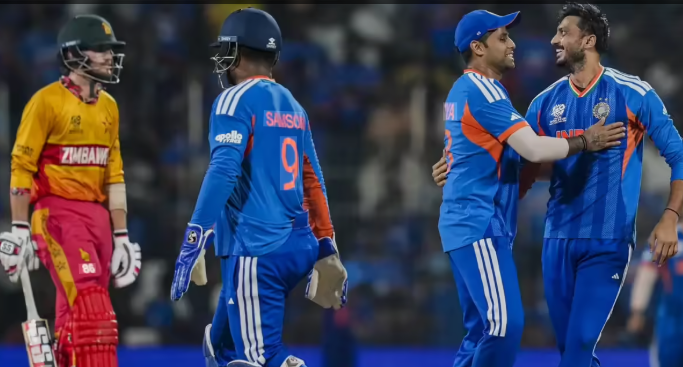
The rivalry between the India National Cricket Team and Zimbabwe National Cricket Team may not always receive global headlines, but it has produced some unforgettable cricket moments across generations. From Kapil Dev’s legendary 175 in the 1983 World Cup to Zimbabwe’s emotional upsets against stronger Indian squads, this rivalry has carried drama, pressure and historic scorecards. India often entered as favorites, yet Zimbabwe repeatedly showed courage and resilience against world class players. The contests also became important for developing future stars, testing leadership and shaping cricket journeys. Across Tests, ODIs and T20s, India vs Zimbabwe matches created memorable stories that still hold a respected place in cricket history.
Recent Bilateral Series: India Tour of Zimbabwe 2024 (5 T20Is)
Match
Date
Venue
Result
Key Highlights
1st T20I
6 Jul 2024
Harare
Zimbabwe won by 13 runs
Zim 115/9; Ind 102. Zimbabwe’s only win in the series. Sikandar Raza Player of the Match.
2nd T20I
7 Jul 2024
Harare
India won by 100 runs
Ind 234/2 (Abhishek Sharma 100); Zim 134. Joint-biggest defeat for Zim in T20Is.
3rd T20I
10 Jul 2024
Harare
India won by 23 runs
Ind 182/4; Zim 159/6. Washington’s 3/15. India’s 150th T20I win.
4th T20I
13 Jul 2024
Harare
India won by 10 wickets
Zim 152/7; Ind 156/0 (Yashasvi Jaiswal 93*).
5th T20I
14 Jul 2024
Harare
India won by 42 runs
Ind 167/6; Zim 125. India sealed 4-1 series win.
India vs Zimbabwe: Head-to-Head Evolution Tables
Format
Matches
India Wins
Zimbabwe Wins
Ties/Drawn/No Result
Tests
11
7
2
2
ODIs
66
54
10
2
T20Is
14
11
3
0
Total
91
72
15
4
T20I Head-to-Head Evolution (Most Recent Format)
Season
Venue/Series
Matches
India
Zimbabwe
Drawn
Winner
1992/93
Zimbabwe
1
0
0
1
Drawn
1992/93
India
1
1
0
0
India
1998/99
Zimbabwe
1
0
1
0
Zim
2000/01–2005
Multiple
8
6
1
1
India
Test Head-to-Head Series Timeline
Season
Venue/Series
Matches
India
Zimbabwe
Drawn
Winner
1992/93
Zimbabwe
1
0
0
1
Drawn
1992/93
India
1
1
0
0
India
1998/99
Zimbabwe
1
0
1
0
Zim
2000/01–2005
Multiple
8
6
1
1
India
India vs Zimbabwe: Top Performances Timeline (Key Records Across Formats)
Highest Team Totals (All Formats)
Rank
Team
Score
Format
Year
Venue
Result
1
India
536/7d
Test
Early 2000s
–
India win
2
India
256/4
T20I
2026
Chennai (T20 WC)
India won by 72 runs
3
India
234/2
T20I
2024
Harare
India won by 100 runs
4
India
~333/6
ODI
Various
–
Dominant wins
–
Zimbabwe
503/6
Test
–
–
Rare high
Iconic Batting Performances (Timeline)
Year
Player
Score
Format
Match Details
Significance
1983
Kapil Dev (IND)
175 (138)*
ODI (WC)
Tunbridge Wells
From 17/5; India’s 1st ODI century; iconic rescue act, 16×4 & 6×6
2024
Abhishek Sharma (IND)
100 (off ~47-71 balls)
T20I
Harare (2nd T20I)
Fastest/most explosive in series; part of 234/2
2026
Multiple (IND)
256/4 total
T20I (WC)
Chennai
India’s highest T20 WC score
2022
Shubman Gill (IND)
130
ODI
Zimbabwe
Dominant chase/performance
Various
Brian Bennett (ZIM)
97*
T20I
2026 WC
Zimbabwe’s standout vs India in recent WC
India vs Zimbabwe: Biggest Wins & Closest Matches Timeline
Rank
Margin
Winner
Format
Year
Match Details
1
100 runs
India
T20I
2024
2nd T20I, Harare: India 234/2 beat Zimbabwe 134
2
72 runs
India
T20I
2026
T20 WC Super 8, Chennai: India 256/4 beat Zimbabwe 184/6
3
42 runs
India
T20I
2024
5th T20I, Harare: India 167/6 beat Zimbabwe 125
4
23 runs
India
T20I
2024
3rd T20I, Harare
–
Large margins (Tests/ODIs)
India
Test/ODI
2000s
Multiple innings victories & 100+ run wins in ODIs
Margin
Winner
Format
Year
Details
10 wickets
India
T20I
2024
4th T20I: Chased 153 with 10 wickets in hand (Yashasvi Jaiswal 93*)
10 wickets
India
ODI
Multiple
Several comfortable chases
8+ wickets
India
ODI
2010s-2022
Dominant white-ball wins
Closest Matches / Narrowest Wins
Margin
Winner
Format
Year
Match Details
13 runs
Zimbabwe
T20I
2024
1st T20I, Harare: Zimbabwe 115/9 beat India 102 (Zim’s biggest upset in recent times)
3 runs
India
T20I
2016
India defended a low total successfully
1 wicket
India
ODI
2000
Jodhpur: Narrow chase win for India
Small run margins
Mixed
ODI/Test
1990s-2000s
Several tense finishes, especially in early encounters
The 1983 World Cup Match That Changed Cricket History Forever
The 1983 Cricket World Cup clash between the India National Cricket Team and Zimbabwe National Cricket Team became one of the most iconic matches in cricket history. India collapsed to 17 for 5 at Tunbridge Wells, and defeat looked certain. Then Kapil Dev produced an unforgettable unbeaten 175, rescuing India with fearless attacking cricket. His innings completely changed the momentum of the tournament and inspired belief across Indian cricket. Zimbabwe’s bowlers dominated early with discipline and swing, but Kapil counterattacked brilliantly under pressure. India eventually posted 266 and defended the total successfully. That victory kept India alive in the tournament before they later shocked the world by winning the World Cup. Even today, the India vs Zimbabwe scorecard from 1983 remains one of cricket’s greatest comeback stories.
Season
Score
Winning Team
Performance
Key Moment
1983 World Cup
India 266/8, Zimbabwe 235
India
Kapil Dev 175 not out
India recovered from 17/5
Group Stage
Zimbabwe strong bowling start
India
Kevin Curran early wickets
Zimbabwe nearly caused upset
Tunbridge Wells Match
India won by 31 runs
India
Madan Lal crucial wickets
Pressure shifted after Kapil innings
Historic Impact
Match changed India cricket history
India
Kapil Dev captaincy brilliance
Sparked India’s World Cup triumph
Zimbabwe Started Believing They Could Beat India
During the 1990s, the Zimbabwe National Cricket Team transformed from underdogs into genuine competitors against the India National Cricket Team. Players like Andy Flower, Grant Flower and Heath Streak brought confidence, discipline and tactical awareness that troubled India in both Tests and ODIs. Zimbabwe’s bowlers used home conditions brilliantly, especially on slower African pitches where Indian batters often struggled for rhythm. Several close matches gave Zimbabwe belief that India could be beaten under pressure. Fans started treating these contests with real intensity because Zimbabwe repeatedly pushed stronger Indian teams into difficult situations. India still had stars like Sachin Tendulkar and Mohammad Azharuddin, but Zimbabwe’s fearless cricket created unforgettable scorecards and emotional contests that added genuine competitiveness to this growing rivalry timeline.
Season
Score
Winning Team
Performance
Key Moment
1992 ODI Series
Zimbabwe 205, India 203
Zimbabwe
Andy Flower match-winning knock
Zimbabwe defeated India in tense chase
1997 ODI Match
India 216, Zimbabwe 217/5
Zimbabwe
Heath Streak all round brilliance
Zimbabwe chased confidently
1998 Tri Series
Zimbabwe 196, India 193
Zimbabwe
Grant Flower steady batting
India collapsed under pressure
1999 World Cup
Zimbabwe 252/9, India 245
Zimbabwe
Henry Olonga fiery spell
Major World Cup upset victory
The 1999 to 2002 Era When Zimbabwe Became Dangerous
Between 1999 and 2002, the Zimbabwe National Cricket Team became one of the most unpredictable sides in world cricket, and India often felt that pressure. Zimbabwe defeated stronger teams regularly and played fearless cricket against the India National Cricket Team in both ODIs and Tests. Andy Flower produced world class batting performances, while Heath Streak and Henry Olonga attacked Indian batters with aggression and smart seam bowling. India still possessed legendary names like Sachin Tendulkar, Sourav Ganguly and Rahul Dravid, but Zimbabwe’s disciplined tactics repeatedly created tense finishes. The rivalry became emotionally charged because Zimbabwe no longer entered matches as outsiders. Their victories during this period earned global respect and forced India to approach every Zimbabwe encounter seriously, especially during major ICC tournaments and overseas series.
Season
Score
Winning Team
Performance
Key Moment
1999 World Cup
Zimbabwe 252/9, India 245
Zimbabwe
Henry Olonga took key wickets
Famous World Cup upset
2000 ODI Series
India 224, Zimbabwe 225/6
Zimbabwe
Andy Flower controlled chase
Calm finish under pressure
2001 Test Match
Zimbabwe 287 and 235, India 286 and 173/3
India
Rahul Dravid steady batting
Tight low scoring Test battle
2002 ODI Match
India 274/6, Zimbabwe 256
India
Ganguly century and captaincy
India regained control
Sourav Ganguly’s India Responded With Ruthless Cricket
After Zimbabwe challenged India repeatedly between 1999 and 2002, Sourav Ganguly built a far more aggressive Indian side that answered with fearless cricket. India’s batting lineup became explosive with Virender Sehwag, Sachin Tendulkar and Rahul Dravid attacking from the start instead of playing cautiously. Ganguly’s leadership also improved India’s confidence in overseas conditions, especially during Zimbabwe tours. Indian bowlers attacked with sharper plans, while the batting depth became too strong for Zimbabwe’s developing attack. Matches that were once tense slowly turned into dominant Indian performances. Zimbabwe still fought hard through players like Andy Flower and Heath Streak, but India’s tactical discipline and aggressive approach restored control in the rivalry. This era marked the beginning of India’s long dominance against Zimbabwe across formats.
Season
Score
Winning Team
Performance
Key Moment
2002 ODI Series
India 274/6, Zimbabwe 256
India
Ganguly century and leadership
India controlled chase pressure
2003 World Cup
India 255/7, Zimbabwe 235
India
Tendulkar attacking fifty
India stayed calm in big match
2004 ODI Match
Zimbabwe 205, India 208/3
India
Sehwag rapid innings
Fast start destroyed Zimbabwe plans
2005 Bilateral Series
India 300/6, Zimbabwe 197
India
Dravid and Kaif partnership
India dominated with batting depth
MS Dhoni’s Calm Leadership Changed the Tone of the Rivalry
When MS Dhoni became captain, the India National Cricket Team approached Zimbabwe with greater tactical control and composure. India often toured Zimbabwe with young squads, giving emerging players opportunities under Dhoni’s calm leadership. Even in difficult situations, Dhoni rarely looked under pressure, and his smart field placements frustrated Zimbabwe’s batters. Zimbabwe continued fighting hard at home, especially with disciplined bowling on slower pitches, but India’s bench strength kept growing stronger. Players like Suresh Raina, Virat Kohli and Ravindra Jadeja used these series to build confidence in international cricket. Dhoni also trusted young bowlers in tense moments, which helped India dominate many close finishes. This phase changed the rivalry from emotional uncertainty into a platform where India developed future stars with consistency and confidence.
Season
Score
Winning Team
Performance
Key Moment
2010 ODI Series
India 285/5, Zimbabwe 248
India
Dhoni calm finishing role
Young Indian players impressed
2013 Tri Series
Zimbabwe 183, India 184/4
India
Kohli controlled chase
India handled pressure easily
2015 ODI Match
Zimbabwe 235, India 236/2
India
Ajinkya Rahane unbeaten innings
Smooth chase under Dhoni
2016 T20 Series
Zimbabwe 170, India 168
Zimbabwe
Zimbabwe bowling discipline
Rare victory against India
T20 Cricket Created Faster Drama Between the Two Nations
The arrival of T20 cricket changed the pace and emotion of matches between the India National Cricket Team and Zimbabwe National Cricket Team. Games became shorter, faster and far more unpredictable, giving Zimbabwe more opportunities to challenge India with aggressive cricket. Young Indian batters attacked from the first over, while Zimbabwe relied on disciplined bowling and energetic fielding to create pressure. Several matches turned dramatic because early wickets quickly shifted momentum. India’s depth usually helped them recover, but Zimbabwe occasionally produced surprising victories that excited home fans. T20 cricket also introduced a new generation of players into the rivalry, with fearless batting, clever spin bowling and last over finishes becoming common features. The rivalry gained fresh energy and entertainment during this modern cricket era.
Season
Score
Winning Team
Performance
Key Moment
2015 T20 Match
India 178/5, Zimbabwe 124
India
Harbhajan Singh bowling spell
India dominated middle overs
2016 T20 Series
Zimbabwe 170/6, India 168
Zimbabwe
Elton Chigumbura finishing power
Zimbabwe shocked India
2016 T20 Match
India 138/2, Zimbabwe 135
India
KL Rahul calm chase
India leveled series confidently
2022 T20 World Cup
India 186/5, Zimbabwe 115
India
Suryakumar Yadav explosive innings
India sealed big tournament win
Zimbabwe’s Emotional Victories That Still Hurt Indian Fans
Although India dominated much of the rivalry, Zimbabwe produced several unforgettable victories that left Indian fans stunned and frustrated. These wins carried emotional weight because they often came when India entered as overwhelming favorites. Zimbabwe’s bowlers regularly created pressure with disciplined seam bowling, while batters like Andy Flower calmly guided difficult run chases. The 1999 World Cup defeat remains one of India’s most painful losses against Zimbabwe because it damaged India’s campaign at a crucial stage. Even in later years, Zimbabwe occasionally exposed India’s overconfidence with fearless cricket and sharp tactics. These victories became proud moments for Zimbabwean cricket supporters and painful reminders for Indian fans that international cricket can change dramatically under pressure, especially when momentum suddenly shifts during tense matches.
Season
Score
Winning Team
Performance
Key Moment
1999 World Cup
Zimbabwe 252/9, India 245
Zimbabwe
Henry Olonga key wickets
Famous World Cup upset
2001 ODI Match
India 220, Zimbabwe 221/7
Zimbabwe
Andy Flower match winning innings
Calm chase under pressure
2010 Tri Series
India 194, Zimbabwe 195/5
Zimbabwe
Brendan Taylor aggressive batting
Zimbabwe shocked young India
2016 T20 Match
Zimbabwe 170/6, India 168
Zimbabwe
Chigumbura late hitting
India lost tense finish
The Rivalry Beyond Numbers and Statistics
The rivalry between the India National Cricket Team and Zimbabwe National Cricket Team has always been about more than scorecards and records. It became a story of respect, growth and opportunity across different cricket generations. Zimbabwe often used India matches to prove they could compete with major cricket nations, while India used these tours to develop future stars and test squad depth. Despite the competitive pressure, players from both sides shared strong mutual admiration on and off the field. Indian legends inspired many young Zimbabwe cricketers, and Zimbabwe’s fighting spirit earned respect from Indian fans. The rivalry also produced emotional cricket moments where underdogs challenged giants fearlessly. Even without political hostility or extreme aggression, India vs Zimbabwe matches created memorable sporting stories that still hold historical importance in international cricket.
Season
Score
Winning Team
Performance
Key Moment
1983 World Cup
India 266/8, Zimbabwe 235
India
Kapil Dev 175 not out
Match changed Indian cricket history
1999 World Cup
Zimbabwe 252/9, India 245
Zimbabwe
Olonga brilliant bowling spell
Zimbabwe earned global respect
2013 ODI Series
India 294/8, Zimbabwe 248
India
Kohli captaincy and batting
Young Indian squad impressed
2022 T20 World Cup
India 186/5, Zimbabwe 115
India
Suryakumar Yadav explosive innings
Modern era dominance continued
Conclusion
The India National Cricket Team vs Zimbabwe National Cricket Team timeline reflects far more than simple wins and losses. It tells the story of cricket evolution, fearless underdog performances and the rise of legendary players across different eras. India built dominance through batting depth, tactical leadership and world class talent, while Zimbabwe earned admiration through resilience and emotional victories under pressure. Memorable scorecards, dramatic World Cup clashes and breakthrough performances gave this rivalry a unique identity in international cricket. Even when the balance of power shifted heavily toward India, Zimbabwe continued fighting with passion and belief. That competitive spirit is why this rivalry remains meaningful and respected among cricket fans worldwide.